Yoga for boxers is a gentle stretching and breathing practice built around the needs of people who box. It uses slow poses to open tight hips, shoulders, and backs, and calm breathing to steady the mind. You do not need to be flexible or experienced to start. This guide walks you through what it is, why boxers use it, and how to begin safely at home with simple steps anyone can follow.
This article is general education, not medical advice. If you have an injury, a health condition, or recent surgery, check with your doctor before starting any new exercise.
What is yoga for boxers
Yoga for boxers is a beginner-friendly stretching practice shaped around boxing training. It focuses on the areas boxers use most, like hips, shoulders, hamstrings, and the spine. The pace is slow and the poses are simple, so anyone can join in.
Why do boxers try yoga
Many boxers try yoga to loosen tight muscles and feel better between training sessions. Boxing shortens and tightens the front of the body over time. Gentle yoga poses open those same areas and give the body a chance to unwind.
How yoga fits boxing training
Yoga fits into boxing as a recovery and mobility practice on lighter days. It is not a replacement for pad work, sparring, or roadwork. Think of it as the quiet partner to hard training that keeps your body moving well.
How to start as a beginner
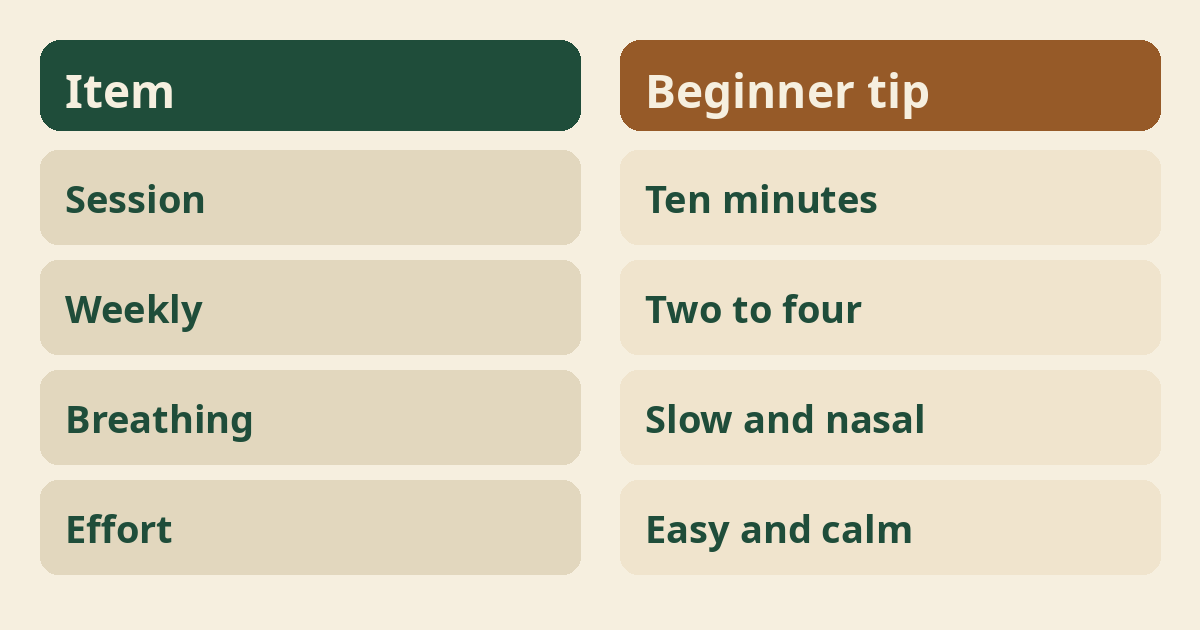
Start with ten to fifteen minutes of easy poses, two or three times a week. Pick a quiet spot with enough room to lie down. A mat helps, but a carpet or folded blanket works too.
Step one, set up your space
Clear a small area and gather a mat, a strap or belt, and two thick books. Props make poses easier and safer for beginners. You can read more about helpful gear in yoga props for beginners.
Step two, warm up gently
Begin with two minutes of slow breathing and easy movement before any deep stretch. Roll your shoulders, circle your wrists, and sway side to side. Cold muscles do not like sudden stretching.
Step three, learn one or two poses first
Master a few basic poses before adding more to your routine. Good first choices are mountain pose for beginners and cat cow pose for beginners. Simple poses done well beat hard poses done badly.
Step four, hold poses calmly
Hold each pose for three to five slow breaths without bouncing or forcing. Ease in until you feel a mild stretch, then breathe and let the body settle. Sharp pain means back off right away.
Step five, finish with rest
End every session lying on your back for two quiet minutes. Let your arms and legs relax and breathe slowly. This short rest helps the body absorb the work.
Breathing for boxers
Slow belly breathing is the base of all yoga breathing for boxers. Place one hand on your belly and let it rise as you breathe in. A full guide is at belly breathing for beginners.
How long should a session be
A good beginner session lasts ten to twenty minutes. Short and steady beats long and rare. You can add time as the poses start to feel familiar.
How often should boxers do yoga
Most boxers do well with yoga two to four times per week. Some like a short session after training, others prefer rest days. More detail is at how often should you do yoga.
Yoga on rest days
Rest days are a great time for a slightly longer, slower yoga session. Gentle stretching on a day off keeps the body loose without adding training stress. Keep the effort easy.
Yoga after boxing training
After training, keep yoga very gentle and short. Your muscles are warm and tired, so skip deep stretches. A few calm poses and slow breathing are enough.
Common mistakes beginners make
The most common mistake is pushing too deep into stretches too fast. Other mistakes are holding the breath, skipping the warm up, and copying advanced poses from videos. Go slower than you think you need to.
Signs you are pushing too hard
Sharp pain, shaking, or holding your breath are signs to ease off. A stretch should feel mild and steady, never stabbing or burning. When in doubt, do less.
Helpful poses for tight hips
Low lunges and butterfly pose are friendly choices for tight boxer hips. Boxing stance and footwork tighten the hips over time. More ideas are at yoga for hips for beginners and butterfly pose for beginners.
Helpful poses for shoulders
Puppy pose and gentle arm stretches open tight shoulders after punching. Rounds on the bag load the shoulders and chest. Try puppy pose for beginners and yoga for neck and shoulders.
Poses for a stiff back
Cat cow and child pose are kind to a stiff or tired back. They move the spine gently without strain. Learn them at cat cow pose for beginners and childs pose for beginners.
Balance work for boxers
Simple standing balance poses build steadier feet for boxing. Balance matters in the ring, and yoga trains it slowly and safely. See yoga for balance for beginners for easy starts.
Flexibility for boxers
Yoga builds flexibility gradually through repeated gentle stretching. You do not need to be bendy to box, but looser muscles feel better and move easier. A starter guide is at yoga for flexibility for beginners.
Desk yoga between sessions
Short desk stretches help on days you cannot do a full session. A few shoulder rolls and seated twists take two minutes. Ideas are at yoga at your desk for beginners.
Is yoga a treatment for injuries
No, yoga is not a treatment and it does not cure or heal injuries. It is a gentle movement practice that many people enjoy. Injuries need proper care from a doctor or physiotherapist first.
Benefits many boxers report
Many boxers say yoga helps them feel looser, calmer, and more body aware, though results vary from person to person. Some notice easier movement in training and better sleep. Research on yoga and wellbeing is still growing, and you can read more at National Center for Complementary and Integrative Health.
Who should be careful first
Anyone with a hand, wrist, shoulder, or back injury should talk to a doctor before starting. The same goes for recent surgery, dizziness, or any ongoing pain. If you have back trouble, read can you do yoga with a bad back with care.
What about cuts and bruises
Skip yoga over fresh cuts, bruises, or a sore head until they settle. Lying poses can press on sore spots. Wait a few days and return gently.
How to progress over time
Progress by holding poses a little longer and adding one new pose at a time. There is no rush and no finish line. Slow, steady practice builds more than heroic efforts once a month.
Working with a teacher
A good beginner teacher can check your form and adjust poses to your body. Look for classes labeled gentle, beginner, or mobility. Tell the teacher you box so they know which areas need care.
Yoga at home versus a class
Both work well, and many boxers mix the two. Home practice is free and flexible. Classes give feedback and structure, which helps in the first months.
Mindset for yoga as a boxer
Treat yoga as practice, not competition, even though boxing trains you to push. The goal is to feel better, not to win the stretch. Patience here often carries over into calmer sparring too.
Yoga and boxing breathing rhythm
Slow nasal breathing in yoga can support the calm breathing boxers use between rounds. Practicing slow exhales on the mat makes it easier to settle your breath when your heart rate is high.
Morning or evening practice
The best time is the time you will actually do it. Mornings loosen a stiff body for the day. Evenings help you unwind after training, so pick what fits your schedule.
Do you need to be flexible first
No, you do not need any flexibility to start yoga. Flexibility is a result of practice, not an entry ticket. Stiff beginners are exactly who gentle yoga is for.
What to wear and bring
Wear clothes you can move in and bring water. Bare feet or grippy socks help you stay stable. That is all the gear you need to begin.
Where to read next
For a calm, beginner-friendly start, Ranjana Sinha’s Begin Where You Are is written for people who want simple steps. Our guide to starting a home yoga practice adds a gentle routine you can follow at home.
Frequently asked questions
Is yoga good for boxers?
Many boxers find gentle yoga helps them feel looser and calmer, though results vary.
How often should a boxer do yoga?
Two to four short sessions per week is a common starting point.
Can yoga replace boxing training?
No, yoga is a recovery and mobility practice that sits alongside boxing, not a replacement.
I am very stiff, can I still do yoga?
Yes, beginner yoga is designed for stiff bodies and meets you where you are.
Should I do yoga right after sparring?
Keep it very short and gentle after hard sparring, or save a longer session for a rest day.
The bottom line
Start small, breathe slowly, and let yoga become the quiet habit that keeps your boxing body feeling good.