
You want to drop some weight, but the gym feels intimidating and hard workouts leave you sore for days. Yoga offers a kinder starting point: slow movement you can do at home, at your own pace. This guide covers how yoga fits into weight loss, which poses to learn first, how often to practice, and what results to realistically expect. No experience, flexibility, or special gear is needed to begin.
This article is for general education only and is not medical advice. If you have a health condition, an injury, or concerns about your weight, talk with a qualified doctor before changing your routine.
Can yoga help with weight loss?
Yoga may support weight loss for some people, and it works slowly, best alongside daily habits. Yoga burns fewer calories per hour than running or cycling, but that is only part of the picture. Regular practice builds muscle, lowers stress, and makes you more aware of what and when you eat. Many people find that these side effects matter more than the calories burned on the mat. Think of yoga as one steady piece of a bigger routine, not a single fix. Results vary, and progress usually shows over months rather than weeks.
Why do people try yoga for weight loss?
Most people pick yoga because it feels doable on a tired day and kind to sore joints. Hard workout plans often fail because they ask too much, too soon. Yoga meets you where you are. You can practice in a living room, in clothes you can stretch in, for ten minutes or an hour. It is low-impact, so knees and hips get a break while the rest of the body still works. For many beginners, that low barrier is what finally makes movement a habit.
How does yoga support weight loss?
Yoga may support weight loss through movement, muscle, stress relief, and better awareness around food. Active classes keep the body moving and the heart rate up. Holding poses builds strength, and more muscle helps the body use energy. Slower sessions calm the nervous system, which can ease stress-driven snacking for some people. Over time, many practitioners say they notice hunger and fullness signals more clearly. Each of these effects is modest on its own, but together they can add up.
Is yoga enough on its own?
For most people, yoga works best when paired with everyday habits like walking and balanced meals. Weight change mostly comes down to what happens across the whole day, not one hour on the mat. Adding short walks, regular sleep, and simple home cooking gives yoga something to build on. Some people also find that as practice grows, they naturally reach for lighter, fresher food. Let yoga anchor the routine and let small habits carry the rest.
Is yoga a weight loss treatment?
No, yoga is not a medical treatment for weight loss or any health condition. Yoga is a form of exercise and relaxation, not a cure or a therapy. It cannot treat obesity, hormonal problems, thyroid issues, or any other medical cause of weight gain. If your weight changes quickly without explanation, or you suspect a health issue, see a doctor for proper care. Use yoga as support for a healthy life, never as a replacement for medical advice. Any plan for a medical condition belongs with your healthcare provider.
Who should check with a doctor first?
Anyone with a health condition, recent surgery, an injury, or a pregnancy should talk to a doctor before starting. This includes people with heart conditions, uncontrolled blood pressure, joint replacements, or long-term back pain. A doctor can tell you which movements are safe and which to skip. Pregnant readers should look for classes made for pregnancy rather than a general class. Getting clearance takes one phone call and removes a lot of guesswork. Bring a short list of what you plan to do so the advice is specific.
What do you need to start?
You need a mat or a soft floor, comfortable clothes, and ten free minutes. A basic yoga mat keeps your feet from sliding, but a carpet or towel works at the start. Wear anything you can bend and breathe in. Keep water nearby and a small space clear of furniture. That is the whole shopping list. Expensive clothes, apps, and memberships can wait until you know you enjoy the practice.
How do you start, step by step?
Start with a regular time, a clear space, a few basic poses, and a routine short enough to repeat. Beginners do best with a plan small enough to survive a busy week. The five steps below walk through setup in order. Each one takes only a few minutes. By the end you will have a simple home practice you can repeat without thinking too hard. Adjust any step that does not fit your life.
Step 1: pick a regular time
Choose a time of day you can protect most days, and tie it to something you already do. Morning practice wakes the body up and gets done before the day interferes. Evening practice helps some people unwind and sleep better. Either works; the best slot is the one you will actually keep. Link it to an existing habit, like after coffee or before your shower. A fixed time each day removes the daily debate about whether to practice.
Step 2: set up a small space
Clear a patch of floor about the size of a mat and keep it ready to use. You do not need a studio or a spare room. A strip of floor beside the bed or in front of the couch is enough. Leave the mat rolled out if you can, because seeing it is a quiet reminder to practice. Keep a block or a thick book and a strap or belt within reach. A ready space cuts the effort of starting to almost nothing.
Step 3: learn a few basic poses
Learn five or six foundation poses before you worry about full routines. Start with poses that teach alignment and breathing rather than difficult shapes. A standing pose, a forward bend, a backbend, a twist, and a resting pose cover the basics. Learn each one slowly, with attention to how it feels rather than how it looks. A small set of well-known poses beats a long list you cannot remember. The pose sections later in this guide give you a ready-made starting set.
Step 4: follow a short routine
Begin with ten to twenty minute routines you can finish even on your busiest days. A short routine done most days builds more change than a long class done once a week. Pick a beginner video or a written sequence and repeat the same one for a couple of weeks. Familiarity lets you focus on breathing and form instead of instructions. When the routine feels easy, add a few minutes or a new pose. Keep the bar low enough that skipping feels like the harder choice.
Step 5: track how you feel
Note your energy, sleep, and mood along with any number on the scale. The scale moves slowly and unevenly, and early progress often shows up elsewhere first. Many beginners notice better sleep, looser clothes, or easier stairs before the number changes. A simple note in your phone after each session keeps these wins visible. Weigh yourself at most once a week, at the same time of day. If the trend over a month is flat, adjust food and daily movement before blaming the yoga.
How often should you practice?
Three to six sessions per week is a realistic target for most beginners. Consistency matters far more than intensity in the first months. Short daily sessions build the habit fastest, but rest days let muscles recover and grow. Many people settle into four or five days a week with one longer session. For a deeper look at building a weekly rhythm, see how often you should do yoga. Whatever schedule you pick, plan it on good days so bad days still have a minimum.
How long should each session be?
Anywhere from ten minutes to an hour helps, and most beginners land near twenty or thirty minutes. Ten focused minutes beat a skipped hour every time. Shorter sessions suit busy weekdays, with a longer one on the weekend if you enjoy it. Active flowing styles usually need more time to warm up safely, while slower practices fit smaller windows. Match the length to your energy that day rather than forcing a fixed duration. The routine you keep is the routine that works.
Which poses work well for beginners?
Standing poses, slow flows, and steady holds give beginners the most return. Sun salutations and standing sequences keep larger muscles working, which raises effort in a safe way. Poses held for several breaths build strength in the legs and core. Resting poses between efforts let you recover so the whole session stays comfortable. The sections below cover specific poses worth learning early. None of them require flexibility you do not already have.
Mountain pose: the foundation
Mountain pose teaches the alignment that every other standing pose builds on. It looks like simply standing, but it trains posture, balance, and body awareness at once. Root through the feet, lift through the crown of the head, and let the shoulders relax down. Use it between harder poses to check in with your breathing. Our guide to mountain pose for beginners walks through the details step by step. A quiet minute here resets the whole practice.
Cat-cow for a warm spine
Cat-cow is a slow, easy flow that warms up the back at the start of any session. Moving between a rounded and an arched back loosens the spine and connects movement to breath. It is kind to stiff mornings and works as a daily warm-up on its own. Beginners often feel their breathing slow down within a few rounds. The full walkthrough lives in cat-cow pose for beginners. Start every practice with five to ten slow rounds.
Child’s pose for rest and recovery
Child’s pose is the resting pose you can return to any time a session feels like too much. Kneeling and folding forward releases the back, hips, and shoulders while the nervous system settles. It is also a useful pause during harder sequences, and nobody will ever tell you to leave it early. Rest here whenever your breath gets ragged or a pose feels shaky. Setup options, including support under the knees, are covered in child’s pose for beginners. Rest is part of the practice, not a failure.
Garland pose for hips and legs
Garland pose is a deep squat that builds leg strength and opens the hips. Squatting uses some of the largest muscles in the body, which is why it earns a place in a weight loss routine. Hold the squat with your hands together at your chest and breathe steadily. If your heels lift, roll the mat under them or hold onto something sturdy. Modifications and progressions appear in garland pose for beginners. Work up to longer holds as the legs get stronger.
Butterfly pose after long sitting
Butterfly pose opens the inner thighs and hips that tighten from hours of sitting. Sitting with the soles of the feet together and knees wide gives the hips a slow, calm stretch. Many people who sit at a desk all day feel this one quickly. Sit on a folded blanket if the knees hover high or the back rounds. A full setup guide lives in butterfly pose for beginners. Hold for a minute or two while breathing slowly.
Thunderbolt pose after meals
Thunderbolt pose is a kneeling seat many people use for a quiet pause after eating. Kneeling with the hips resting on the heels keeps the spine tall and the belly soft. Practitioners often sit here for a few minutes after a meal instead of slumping on the couch, and some find the upright seat comfortable while digestion happens. It also works as a moment to notice how full you actually are. Setup, padding for the ankles, and timing tips are in thunderbolt pose for beginners. Skip it if kneeling hurts your knees, and use a supported seat instead.
Loosening tight hips
Tight hips limit how freely you move, so hip openers belong in most weight loss routines. Hours of sitting shorten the muscles around the hips, which makes walking and exercise feel harder than they should. Slow hip openers restore range of motion so daily movement costs less effort. Many beginners notice their lower back feels easier once the hips loosen. Our full sequence is in yoga for hips for beginners. Expect progress here in weeks, not days, and never force a stretch.
Building balance
Balance work strengthens the small stabilizing muscles that bigger movements miss. Standing on one leg recruits the feet, ankles, and core all at once. Better balance also protects you during faster flows and everyday missteps. Beginners can start holding a wall or chair and let go for a few seconds at a time. A simple progression appears in yoga for balance for beginners. Wobbling is normal and is itself part of the training.
Breathing for your practice
Slow, deep breathing is the engine of yoga and the skill that makes every pose work harder. Breathing into the belly calms the nervous system and steadies your effort during holds. Many beginners breathe shallowly without noticing, especially during hard poses. A few minutes of focused breathing before a session sets the pace for everything after. Learn the basics in belly breathing for beginners. When the breath stays calm, the whole practice feels easier and lasts longer.
Props that help
Blocks, straps, and blankets make poses safer and more comfortable for every body. A block brings the floor closer in forward folds and lunges. A strap extends your reach when your hands cannot meet. A folded blanket cushions knees and lifts the hips in seated poses. Props are tools, not signs of weakness, and experienced teachers use them constantly. See the starter kit in yoga props for beginners before buying anything fancy.
Sneaking movement into the workday
Short desk sessions keep stiffness down and movement up between full practices. Long sitting works against every weight loss goal, so breaking it up matters. Shoulder rolls, seated twists, and standing side bends take two minutes and need no mat. These micro-sessions also refresh focus, which makes them easier to keep. A full menu of office-friendly moves is in yoga at your desk for beginners. Even three short breaks a day add real movement to the week.
What if your back is sensitive?
Many people with back issues practice yoga safely with the right poses and a doctor’s clearance. Skip deep backbends and loaded forward folds until you know what your back tolerates. Slow core work and supported poses often feel better than long stretches. Pain that shoots, tingles, or travels down a leg is a stop sign, not something to push through. Read can you do yoga with a bad back for a safer pose list. When in doubt, a physical therapist can tailor the plan to you.
Releasing neck and shoulder tension
Neck and shoulder stretches ease the tension that stress and screens build up. Tight shoulders feed headaches and poor posture, which both drain the energy you need to stay active. Slow rolls, chin tucks, and supported stretches give these muscles relief. Many people carry stress here without noticing until it finally lets go. The routine in yoga for neck and shoulders takes only a few minutes. Add it to the end of any session.
Stress, eating, and yoga
Calming the stress response is one of the quiet ways yoga supports weight goals. Stressed bodies crave quick energy, and stressed minds snack without hunger. Yoga gives the nervous system a daily reset, which many people find softens that cycle. Evening practices in particular can replace the habit of grazing through the night. The sequences in yoga for stress relief for beginners are built for exactly this. Managing stress will not melt weight by itself, but it removes a common obstacle.
Benefits people often notice
Reported benefits include better sleep, steadier mood, easier movement, and growing strength. Many people find they sleep more deeply and wake with more energy after a few weeks of practice. Clothes often fit differently before the scale changes. Balance, posture, and flexibility improve slowly in the background, and yoga for flexibility for beginners covers that side in detail. Results vary from person to person, and no outcome is guaranteed. The National Center for Complementary and Integrative Health keeps a plain-language overview of what research does and does not show about yoga.
Common mistakes to avoid
The big ones are doing too much too soon, skipping rest, and chasing fast results. New enthusiasm makes people practice hard every day, burn out, and quit within a month. Muscles adapt on rest days, so recovery is part of the plan. Another trap is comparing your poses to photos online; form matters more than depth. Do not expect yoga alone to outrun unchanged eating habits either. Slow, repeatable, and honest beats fast and abandoned.
How do you keep progressing?
Add time, holds, or new poses gradually, and change only one thing at a time. Once a routine feels comfortable, extend a hold by a few breaths or add one new pose. Small increases keep the body adapting without soreness that kills the habit. Every few months, try a slightly more active class to raise the challenge. Keep notes on what changed so you know what helped. Progress in yoga is measured in months and years, which is exactly why it lasts.
Do you need a teacher?
A teacher helps, especially at the start, but home practice with good resources also works. A few in-person or live online classes give you feedback that videos cannot. Teachers spot alignment habits that cause strain and offer alternatives for your body. If classes are not an option, follow beginner programs from qualified instructors and film yourself occasionally. Revisit a class every few months to correct drift. However you learn, leave any pose that causes sharp pain.
Mindset for the long run
View weight change as a side effect of a practice you enjoy, not the only reason to show up. People who practice for the feeling keep practicing; people who practice only for the scale often stop when it moves slowly. Let the daily session be its own reward and let body changes arrive as a bonus. Bad weeks happen and do not erase progress. Returning after a break is the skill that matters most. Kind consistency beats heroic effort every time.
What about pregnancy?
Pregnancy changes the rules, and general classes are not the right fit for expecting mothers. Some poses and deep twists are avoided during pregnancy, and overheating becomes a concern. Classes designed for pregnancy adjust the practice for each stage. If you are pregnant or might be, get your doctor’s clearance and choose a qualified prenatal teacher. The differences are explained in prenatal yoga vs regular yoga. Weight loss is not a goal during pregnancy; comfort and mobility are.
Staying motivated
Motivation fades for everyone, so build systems that carry you when it does. Lay the mat out the night before and keep sessions short enough to survive low-energy days. Practicing with a friend or a class adds accountability that willpower cannot. Reread your session notes when progress feels invisible, because the record usually says otherwise. Celebrate streaks lightly and restart without drama after gaps. The habit, not the mood, does the work.
Putting it all together
A short, regular practice plus small daily habits is the whole formula. Pick your time, learn your five or six poses, and follow a routine short enough to repeat. Add walking, sleep, and calm eating around it. Check with a doctor when anything hurts or feels off. Let months pass and measure progress in energy and ease, not only pounds. The practice that changes things is the one still happening next year.
Where to read next
For a calm, beginner-friendly start, Ranjana Sinha’s Begin Where You Are is written for people who want simple steps. Our guide to starting a home yoga practice adds a gentle routine you can follow at home.
Frequently asked questions
Will I lose weight from yoga alone?
Most people need to pair yoga with daily movement and balanced eating, since yoga by itself burns modest calories.
Which yoga style works best for losing weight?
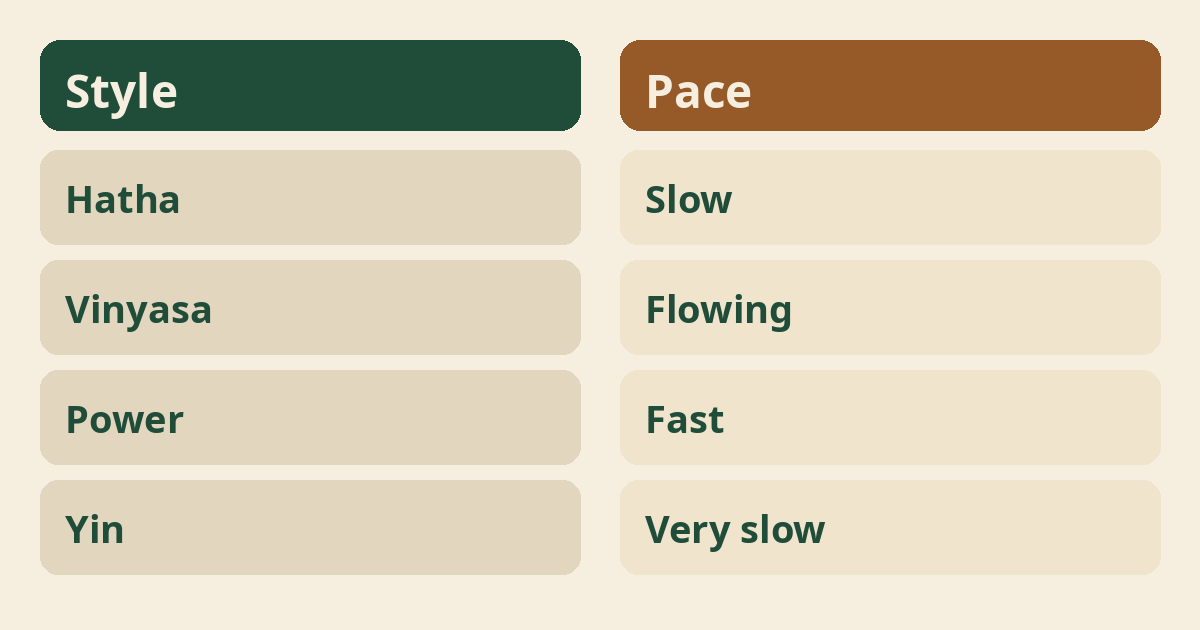
Active styles like vinyasa raise effort more, but the best style is the one you will keep practicing consistently.
Why did I gain a little weight after starting?
New exercise can temporarily add water weight and muscle, so judge your progress over weeks rather than days.
Do I have to sweat for yoga to count?
No, slower practices still build strength, awareness, and stress relief that support your goals.
Should I do yoga before or after eating?
Most people feel best practicing on a light stomach, about two to three hours after a full meal.
The bottom line
Start small, stay consistent, and let a kinder kind of exercise carry you further than you expect.

