
Yoga for lawyers is a simple way to ease the stiff shoulders, tight hips, and busy mind that come with long hours of legal work. You do not need to be flexible, own special clothes, or spend an hour on a mat. A few gentle poses and slow breathing, done for ten to fifteen minutes, fit into even the busiest schedule. This guide shows beginners exactly how to start, what to avoid, and how to build a small habit that lasts.
This article is general education, not medical advice. If you have a health condition, an injury, or ongoing pain, check with your doctor before starting.
What is yoga for lawyers?
Yoga for lawyers is gentle yoga shaped around the demands of legal work. It focuses on the areas that suffer most in office life: the neck, shoulders, back, wrists, and hips. Sessions are short, quiet, and easy to do before work, at lunch, or after court.
Why do lawyers try yoga?
Many lawyers start yoga to manage the physical and mental load of the job. Long days at a desk, tight deadlines, and constant screen time leave the body tense and the mind restless. Yoga offers a simple pause that asks for nothing more than a few minutes and a bit of floor space.
Is yoga hard for a beginner lawyer?
No, beginner yoga is gentle and anyone can start where they are. You do not touch your toes or hold hard shapes. The poses in this guide are slow, steady, and kind to stiff bodies, which suits people who sit all day.
Can yoga fit into a packed legal schedule?
Yes, short sessions of ten to fifteen minutes fit around court dates and client calls. You can practice first thing in the morning, during a lunch break, or in the evening. Small daily sessions beat one long class you keep postponing.
How do I start yoga as a beginner?
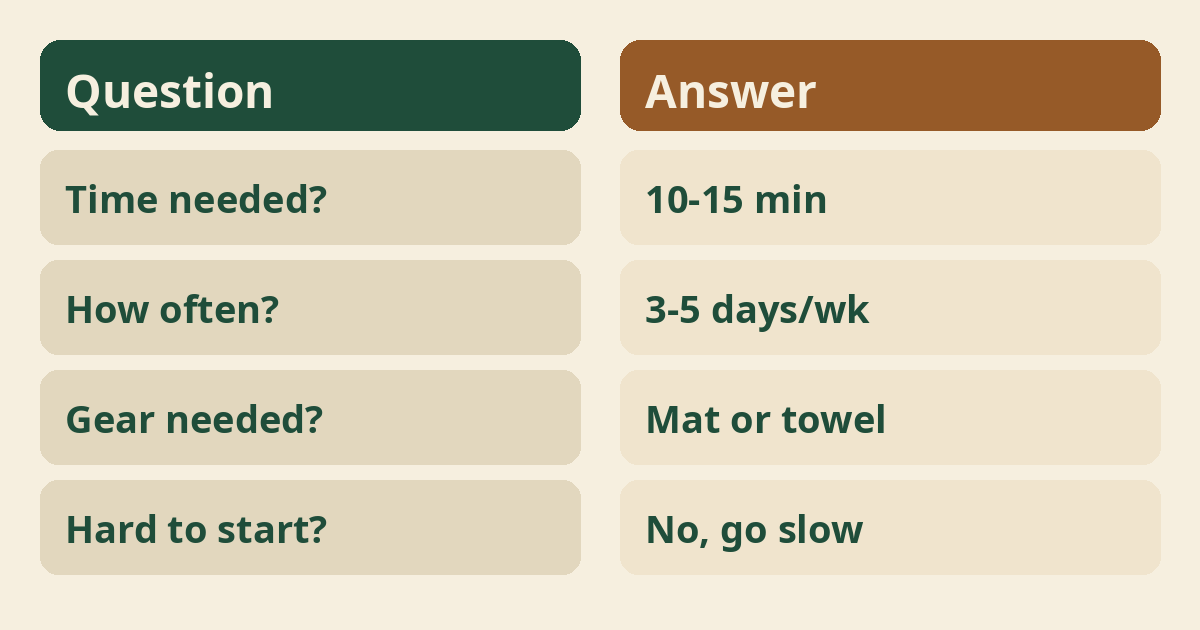
Start with a quiet corner, a mat or towel, and five easy poses. Pick the same time each day so the habit sticks. Follow the steps in this guide slowly, and stop if anything hurts.
Step 1: set up your space
Find a small clear patch of floor and silence your phone. A yoga mat helps grip, but a folded towel works on carpet. Wear loose or stretchy clothes you can move in, office trousers aside.
Step 2: settle with mountain pose
Stand tall with your feet hip width apart and your arms relaxed. Let your weight spread evenly across both feet and soften your shoulders away from your ears. Take five slow breaths here; the mountain pose guide walks you through it.
Step 3: warm up the spine
Move into a slow cat and cow flow on hands and knees. Round your back on the exhale, then gently arch on the inhale, five to eight rounds. This wakes up a spine stiff from sitting; see cat cow pose for the full setup.
Step 4: stretch the hips
Spend a minute in a gentle low lunge on each side. Long hours in a chair shorten the hip muscles, so go slowly and keep the stretch mild. Rest your hands on your front knee or on blocks if reaching the floor feels far.
Step 5: rest in child’s pose
Kneel, fold forward, and let your forehead rest on the mat. Stay for five to ten breaths and let your lower back soften. The child’s pose guide explains safe ways to rest the knees.
Step 6: finish with quiet breathing
Sit comfortably and breathe slowly for one to two minutes. Count a steady inhale and an easy exhale. This short rest is often the part busy lawyers value most.
How should I breathe during yoga?
Breathe slowly through your nose and let the exhale be a little longer. A steady breath calms the nervous system after a stressful hearing or a hard email. Belly breathing is the easiest place to learn this.
How long should a session be?
Ten to fifteen minutes is enough for a beginner. Short sessions done often work better than a rare long one. You can always add time once the habit feels natural.
How often should lawyers do yoga?
Most beginners do well with three to five short sessions a week. Daily practice is fine if it stays gentle. The guide on how often to do yoga explains how to pace a new habit.
Can I do yoga at my desk?
Yes, many simple moves work seated or standing beside your desk. Neck rolls, shoulder shrugs, and a seated twist ease tension between meetings. The desk yoga guide has a full routine for office hours.
What poses help after a long day at the office?
Child’s pose, a seated twist, and a supported forward fold work well. These poses ask little of tired legs and quietly release the back and shoulders. Keep every move slow and painless.
What poses help with neck and shoulder tension?
Slow neck circles and gentle shoulder rolls help release desk tension. Roll each way a few times without forcing the range. More ideas sit in the neck and shoulder guide.
Can yoga help with stress from legal work?
Many people find that slow movement and steady breathing ease everyday stress. The calm comes from giving your attention to the body instead of the next deadline. The stress relief yoga guide goes deeper on this.
What are the benefits of yoga for lawyers?
Many people find that regular gentle yoga improves comfort, focus, and sleep, though results vary from person to person. Some notice less stiffness after long sitting, a calmer mind under pressure, and better posture over weeks of practice. Research bodies such as National Center for Complementary and Integrative Health note yoga is widely used for back comfort and stress, and it works best as a steady habit rather than a quick fix.
What common mistakes do beginners make?
The biggest mistake is pushing into pain to match a picture or a classmate. Other common slips are holding the breath, skipping the warm up, and going too hard after a tiring day. Mild effort with slow breathing is the right target.
What props make yoga easier?
A mat, a belt, and two blocks cover almost everything a beginner needs. Firm cushions or folded blankets work in place of blocks. The yoga props guide shows how each one helps.
Can stiff lawyers still do yoga?
Yes, stiffness is a reason to start, not a reason to wait. Every pose has an easier version, and flexibility grows slowly with practice. The flexibility guide explains realistic progress.
What about balance, can I improve it?
Gentle standing poses slowly build steadier balance. Hold a chair or wall at first and keep the standing knee soft. The balance yoga guide covers safe progress.
Who should be careful with yoga?
Anyone with a health condition, recent injury, or ongoing pain should speak to a doctor first. This includes back problems, joint issues, high blood pressure, and pregnancy. Tell a teacher about any limits before a class.
Can I do yoga with a bad back?
Many people with mild back discomfort can do gentle yoga, but check with your doctor first. Skip deep forward folds and strong twists until a professional clears them. The guide on yoga with a bad back lists safer swaps.
Is yoga a treatment for stress or pain?
No, yoga is not a treatment or a cure for any condition. It is a gentle habit that many people find supports everyday comfort and calm. Keep seeing your doctor for any health concern and use yoga as a complement, not a replacement.
Morning or evening, which is better?
The best time is the time you will actually keep. Morning sessions can set a calm tone before court, while evening sessions help unwind after late briefs. Try both for a week and keep the one that fits.
How do I keep the habit going?
Tie your session to a fixed daily cue like closing the laptop. Keep sessions short enough that skipping feels harder than doing. Mark the days on a calendar and treat five minutes as a full success.
How does progress look over time?
Progress shows as easier movement, calmer breathing, and a steadier habit. There is no finish line and no pose you must master. Notice how your back feels after a long sitting day rather than chasing deeper shapes.
Should I find a yoga teacher?
A qualified teacher helps beginners learn safe alignment faster. Look for someone experienced with office workers or back care, and tell them about any health limits. Even a few classes give your home practice a solid base.
What mindset helps a beginner lawyer?
Treat yoga as rest and maintenance, not another performance to win. Lawyers are used to pushing hard, and yoga works the opposite way. Slow down, stay curious, and let the practice be the one part of the day with no billable pressure.
Does yoga need special gear or clothes?
No, comfortable stretchy clothes and a mat or towel are enough. Bare feet grip best. Everything else, from straps to blocks, is optional and easy to improvise at home.
Can yoga replace a full workout?
Gentle yoga is a fine start, but it is only one piece of staying active. Walking, light strength work, and regular breaks from the chair all help too. Think of yoga as the piece that keeps you calm and loose enough to do the rest.
Where to read next
For a calm, beginner-friendly start, Ranjana Sinha’s Begin Where You Are is written for people who want simple steps. Our guide to starting a home yoga practice adds a gentle routine you can follow at home.
Frequently asked questions
How much time does a beginner lawyer need for yoga?
Ten to fifteen minutes, three to five days a week, is a realistic and useful start.
Do I need to be flexible before I start yoga?
No, yoga builds flexibility gradually, and every pose has an easier version.
Can I do yoga in my office clothes?
Yes, as long as you can bend and breathe freely, loose office clothes work for gentle poses.
Will yoga fix my back pain from sitting?
Many people find gentle yoga eases everyday stiffness, but it is not a treatment and ongoing pain needs a doctor.
Do I need to join a studio?
No, a short home practice is enough for beginners, though a few classes with a teacher can help.
The bottom line
Start small, breathe slowly, and let a few quiet minutes each day be enough.

