
Waking up with a heavy, sluggish stomach is a rough way to start the day, and a few easy yoga poses first thing can help your body feel more settled. Morning yoga for digestion pairs slow movement with calm breathing, done on an empty stomach right at home. This guide walks you through a simple beginner routine, step by step, with the poses, the breathing, and the common mistakes to skip. No gear, no experience, and no pressure needed.
This article is general education, not medical advice. If you have a digestive condition or ongoing symptoms, talk to your doctor before changing your routine.
What is morning yoga for digestion
Morning yoga for digestion is a short set of easy poses and slow breathing done soon after waking. The idea is simple: move the body, wake up the belly area, and begin the day calm. Most people do it before breakfast, at home, with nothing more than a mat or a rug.
Why do people practice it
Many people practice morning yoga for digestion because they want to feel lighter and more settled through the day. A slow start helps the body shift out of sleep mode. Some also find that a calm morning habit makes breakfast sit more comfortably.
Does it really work
There is no promise that any pose will fix a stomach problem, and results vary from person to person. Research on yoga and digestion is still growing, and most findings point to general comfort and lower stress rather than cures. Think of it as a helpful habit, not a guarantee.
Is this a treatment
No, morning yoga for digestion is not a treatment for any medical condition. It is a wellness habit, like walking or drinking enough water. If you have ongoing pain, bleeding, or sudden changes in digestion, see a doctor instead of stretching through it.
Who should check with a doctor first
Anyone with a hernia, recent surgery, pregnancy, or an ongoing gut condition should talk to a doctor before starting. The same goes for back or neck problems. A quick check with a professional keeps a simple habit safe.
How do you start
Start with five to ten minutes and two or three poses, then build from there. You do not need a class or special clothes. A quiet corner, a mat or towel, and a few slow breaths are enough for the first week. Once the routine feels familiar, add time before you add poses.
What is the best time of morning
The best time is usually right after waking, before breakfast. Your stomach is emptier, so twisting and folding feel easier. If mornings are rushed, any quiet window before a meal works.
Should you eat first
Most people feel better practicing on an empty or nearly empty stomach. A full belly makes bends and twists uncomfortable. If you feel weak, a few sips of water or half a banana is fine, then wait a little before starting.
How long should a session be
Ten to fifteen minutes is a good session length for a beginner. Short and regular beats long and rare. Even five minutes of poses and breathing can be a real practice when done with attention.
How often should you practice
Three to seven mornings a week is a realistic goal for most beginners. Daily practice suits some people, while others do well on a weekday rhythm. For a deeper look at pacing, see our guide on how often you should do yoga.
Why warm up first
A short warm up wakes stiff muscles and makes the main poses feel safer. Roll your shoulders, sway side to side, and take ten slow breaths. Morning bodies are stiff bodies, so go easy for the first minute or two.
Step one: stand tall
Begin standing in mountain pose, feet steady, spine long, breath slow. This quiet start tells your body the practice has begun. If standing balance work is new for you, our guide to mountain pose for beginners shows the basics.
Step two: move the spine
Come to hands and knees for cat-cow, arching and rounding with each breath. This slow wave massages the belly area and loosens the back after sleep. You can learn the full form in our guide to cat-cow pose for beginners.
Step three: breathe into the belly
Sit or lie down and practice belly breathing for one to two minutes. Let the belly rise as you breathe in and soften as you breathe out. If this is new, our walkthrough of belly breathing for beginners breaks it into small steps.
Step four: add a twist
Sit tall, cross one leg over the other, and turn softly to one side, then switch. Twists are the classic morning yoga for digestion move because they squeeze and release the middle in a mild way. Keep the twist easy and breathe the whole time.
Step five: rest in child’s pose
Fold forward into child’s pose and rest your forehead down for a few slow breaths. This resting pose can feel calming for the whole middle of the body. If the shape is new to you, our guide to child’s pose for beginners shows how to make it comfortable.
Step six: sit in thunderbolt
Kneel and sit back on your heels in thunderbolt pose, spine tall, hands on thighs. Many people sit this way after a meal because it keeps the belly upright and still. Learn the setup in our guide to thunderbolt pose for beginners.
A simple ten minute routine
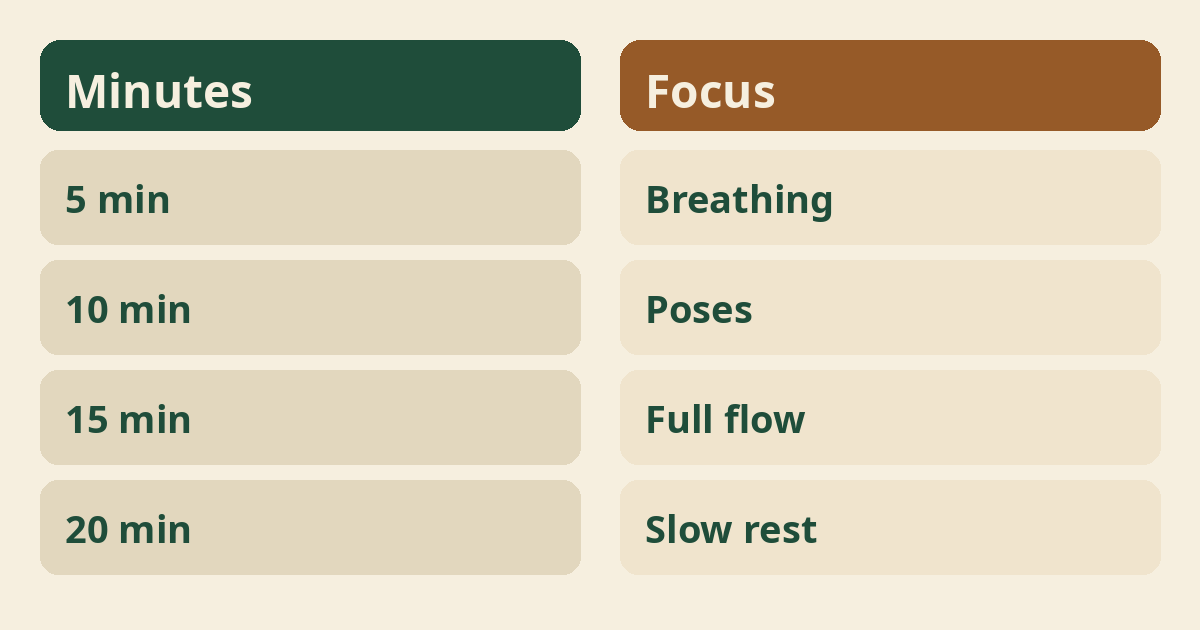
A simple routine is mountain pose, cat-cow, a seated twist, child’s pose, then thunderbolt. Hold each pose for four to six breaths and move slowly between them. The whole flow takes about ten minutes and needs no props. If ten minutes feels long at first, start with three poses and build up over a week or two.
Why breathing matters
Slow breathing is the quiet engine of morning yoga for digestion. Fast, shallow breaths go with stress, and stress can upset the stomach. Long, easy exhales help the body shift toward rest-and-digest mode. Aim for exhales a little longer than your inhales, without forcing anything.
Poses to skip in the morning
Skip deep backbends, strong twists, and anything that strains you first thing. The body is stiffer after sleep, so forceful moves carry more risk. Save harder poses for later in the day or a full class.
Do you need props
A folded blanket or a cushion is all most beginners need. Sit on the blanket in thunderbolt or twists to make the pose kinder to knees and hips. If you want to build a small kit, see our picks in yoga props for beginners. None of it is required, so start with what you already own.
Common mistakes
The most common mistakes are rushing, holding the breath, and forcing poses. Morning yoga for digestion works through slowness, not effort. If a pose pinches or you catch yourself straining, back off and breathe.
Should you drink water first
A glass of warm water before practice is a habit many people enjoy. Sip slowly and give it a minute before you start. There is no magic in it, but it can make the morning feel like a ritual.
When to stop a pose
Stop any pose that causes sharp pain, dizziness, or nausea. Mild stretch sensations are normal, but pain is not. Sit or lie down, breathe, and skip that pose next time.
Benefits people report
Many people say a morning practice helps them feel less heavy, less gassy, and calmer about food, though results vary and nothing is guaranteed. Groups like National Center for Complementary and Integrative Health note that yoga may support relaxation and general digestive comfort, but the evidence is still developing. Treat it as one helpful habit among many, not a fix.
Where this fits in the bigger picture
This article is one part of a larger set of guides on digestion-friendly practice. For the full overview, read our pillar guide yoga for digestion for beginners, which covers the topic from every angle and links to related poses and routines.
How to progress
Progress means a few more breaths per pose or one more pose, not harder shapes. After a few weeks you might hold twists a little longer or add a standing forward fold. Small steps keep the habit kind and sustainable.
Should you learn from a teacher
A teacher can help, especially if you have a health condition or feel unsure about form. Even a few sessions with a qualified instructor can correct habits early. Look for someone who welcomes beginners and asks about your health first.
The mindset that helps
Approach the practice as care, not a chore or a test. Some mornings you will do ten minutes and some mornings three, and both count. A forgiving attitude is what keeps a habit alive for years.
Morning versus evening practice
Morning practice sets the tone for the day, while evening practice helps you unwind. For digestion specifically, mornings have the empty-stomach advantage. If evenings suit you better, keep a gap of a few hours after your last meal.
Only five minutes free
On busy mornings, do cat-cow for one minute, a seated twist for one minute on each side, and belly breathing for two. That tiny version keeps the habit unbroken. A short practice done daily beats a long practice done rarely.
Pairing it with breakfast
Many people find they choose calmer breakfasts after a quiet practice. Notice what your body asks for rather than following a strict rule. Over time the habit often spreads into the rest of the morning.
Keeping track of how you feel
A few words in a notebook each day can show patterns you would otherwise miss. Note your energy, your stomach comfort, and whether you practiced. After a month you will see what the routine does for you.
When will you notice changes
Some people feel a difference in days, while for others it takes weeks, and some notice little at all. Bodies vary, and that is normal. Keep the practice easy, stay consistent, and let any results arrive at their own pace.
If the morning slips away
If you miss the morning, a few seated moves at your desk later still help you feel settled. Shoulder rolls, seated twists, and slow breathing travel well. Our guide to yoga at your desk for beginners has a short office-friendly flow.
Where to read next
For a calm, beginner-friendly start, Ranjana Sinha’s Begin Where You Are is written for people who want simple steps. Our guide to starting a home yoga practice adds a gentle routine you can follow at home.
Frequently asked questions
Will morning yoga get rid of bloating?
Some people feel less bloated with regular practice, but results vary and yoga is not a cure.
Is it better to practice before or after coffee?
Before is usually more comfortable, since a full stomach makes twists and folds harder.
What if I feel dizzy when I stand up?
Start seated or lying down, move slowly, and stop if the dizziness keeps going.
Can older adults try this routine?
Yes, with an easy pace and a chair or blanket for support, though checking with a doctor first is wise.
Should the poses hurt a little?
No, a mild stretch feeling is fine but pain means back off or stop.
The bottom line
Roll out a mat tomorrow morning, move slowly, breathe well, and let the day start from a settled place.

