
You sit down after a long day, tired in a way sleep never seems to fix, and your doctor has already told you your thyroid runs slow. Many people in that spot look for something kind to do with their body. Yoga for hypothyroidism can be one easy habit, done slowly and alongside your medical care, that helps you feel a little more at home in yourself.
This guide shares general education about yoga and is not medical advice. If you have a thyroid condition or any other medical concern, talk with your doctor before you begin.
What is yoga for hypothyroidism?
It is simply a calm yoga routine that a person with an underactive thyroid chooses to practice. There is no special style or secret sequence. The idea is to pick low-impact poses and slow breathing that suit a body that may feel tired, cold, or stiff.
Why do people try yoga with an underactive thyroid?
Many people want a kind way to move when energy and mood feel low. Yoga asks for little equipment and no fitness background. Some people also enjoy the quiet time, which can feel like a small break from a busy mind.
What does hypothyroidism feel like day to day?
It often shows up as tiredness, feeling cold, dry skin, or a slow, heavy body. Symptoms differ from person to person, and only a doctor can tell you what is behind them. Knowing how you feel on a given day helps you choose how hard to push in practice.
How do you start yoga for hypothyroidism?
Start with ten minutes on a quiet floor, once or twice in your first week. Wear clothes that let you move and keep a glass of water close. Think of the first week as a trial, not a test, and stop whenever something feels wrong.
Should you talk to your doctor first?
Yes, check with your doctor before you start, especially if your medicine or symptoms are still being adjusted. Your doctor knows your history and can point out any pose or habit to skip. Bring a short list of the movements you plan to try so the talk stays simple.
Is yoga a treatment for hypothyroidism?
No, yoga is not a treatment and it does not replace medicine or medical care. Underactive thyroid conditions are managed by your doctor, often with medicine and regular check-ups. Yoga is only a supportive habit that some people add for comfort and calm. Keep taking your medicine as directed.
What do you need before your first session?
You need a mat or a folded blanket, a quiet corner, and about ten minutes. A towel works if you have no mat. Put your phone on silent so the session feels like yours. Nothing else is required to begin.
Which time of day works best?
Pick the time you will actually keep, whether that is morning or evening. Some people feel stiff on waking and prefer a short midday session instead. Try a few times and notice when your body feels most willing. Consistency matters more than the clock.
Step 1: How do you warm up the body?
Begin by sitting tall and rolling your shoulders and neck slowly for about a minute. Move as if you were stirring honey. If your neck feels tight, the guide on easy yoga for a tight neck and shoulders offers a few more ideas for the area around your throat.
Step 2: How do you practice cat and cow?
Come onto hands and knees and move your spine slowly between round and arched. Match each movement to one breath and keep the pace unhurried. People who feel stiff in the morning often like this one, and this cat and cow walkthrough shows the shape in more detail.
Step 3: How do you rest in child’s pose?
Sit your hips back toward your heels, fold forward, and let your arms rest on the floor. Slide a pillow under your chest if the stretch feels like too much. For a fuller look at the shape, see how to settle into child’s pose when you want a place to pause.
Step 4: How do you stand in mountain pose?
Stand with feet hip-width apart, shoulders loose, and breathe slowly for five or six breaths. It looks like nothing, yet it teaches you to notice your posture. Anyone wanting more cues can read a plain guide to standing in mountain pose before trying it.
Step 5: How do you try a low-impact seated twist?
Sit on a chair or the floor and turn slowly toward one side, keeping your spine tall. Hold for a few breaths, then switch sides. Keep the turn small and never force it. If anything pinches, come back to the middle and rest.
Step 6: How do you finish with rest?
End by lying on your back with your arms by your sides for two to five minutes. Cover yourself with a blanket if you tend to feel cold. This quiet end gives your body time to settle before you get up and go on with your day.
How can breathing help?
Slow breathing is a simple way to calm your body and give your mind something steady to follow. Try belly breathing, where your stomach rises on the inhale and falls on the exhale. The belly breathing guide explains it step by step, and you can practice it on its own for a few minutes.
Which breathing mistakes should you avoid?
Avoid forcing long breath holds or fast, strong breathing when you are just starting. Those styles can feel harsh, and they are not needed here. Keep the breath smooth and quiet. If you feel dizzy, go back to your normal breathing and rest.
How long should a session last?
Ten to twenty minutes is plenty for most beginners. A short session you finish feels better than a long one that leaves you drained. As you grow used to it, add a few minutes only if you feel good afterward.
How often can you practice?
Two or three short sessions a week is a fair start. Give your body rest days, especially if fatigue is part of your picture. If you would like a wider view of weekly rhythm, read how often to do yoga as a beginner and pick a pattern that feels realistic.
What are common beginner mistakes?
The most common mistake is doing too much too soon. Others include comparing yourself to people online, holding your breath, and pushing through pain. Go slower than you think you need to. Slow is not a failure, it is the whole point.
Can props make the practice easier?
Yes, props can make poses feel safer and more comfortable. A folded blanket, a cushion, or a sturdy chair all help. Read about simple props for beginners if you want to see what is worth owning and what you can borrow from around the house.
What should you do on low-energy days?
On days when you feel drained, shrink the session instead of skipping it. Three slow breaths and one or two floor poses still count. Some days the best practice is simply lying down with your eyes closed. Listen to your body and let it set the pace.
What if you feel cold during practice?
Wear warm layers and keep a blanket within reach. Many people with a slow thyroid say they feel cold easily. Warm socks and a soft top can make the floor feel less harsh. Skip any hot-room classes unless your doctor has cleared them for you.
Who should be extra careful?
People with heart concerns, blood pressure changes, joint pain, or pregnancy should ask their doctor before starting. The same goes for anyone with neck problems or dizziness. If you are expecting, prenatal yoga compared with regular yoga explains why the style matters.
What about neck-focused poses?
Be careful with any pose that puts heavy weight on your neck, and skip them without your doctor’s go-ahead. Because the thyroid sits in the front of the neck, some people feel nervous about it. Easy shoulder rolls and chin tucks are usually fine, but check first. You never need a deep neck bend.
Can you practice with a sore back?
Many people can, if they keep the movements small and listen to pain signals. Stiffness and low energy often show up together. Read whether you can do yoga with a bad back before you start, and stop at once if sharp pain appears.
What benefits might you notice?
Many people find yoga leaves them calmer and a bit more relaxed, though results vary. Some also report better sleep or looser muscles. None of this is promised, and it does not change your thyroid levels on its own. For general background on mind and body practices, see National Center for Complementary and Integrative Health.
Can yoga help with stress and mood?
Some people find that slow movement and breathing ease everyday tension. Living with a long-term condition can be tiring in its own way. A short session may offer a pause. If you want more ideas, look at yoga for stress relief for beginners for calm routines.
How can you build flexibility safely?
Build it slowly, one small stretch at a time, with no bouncing and no pain. Stiff muscles loosen over weeks, not days. The page on yoga for flexibility for beginners gives more patient ways to go about it.
Is balance practice worth adding?
It can be, once you feel steady on the basics. Balance poses are easy to adapt with a wall or chair nearby. Start with a short hold, and keep a hand near support. The yoga for balance for beginners guide covers the first steps.
How do you progress over time?
Add one new pose or one extra minute every couple of weeks, no faster. Keep a note of how you feel after each session. If you are tired the next day, you did too much, so step back. Progress with this kind of practice is quiet and steady.
Should you join a class or find a teacher?
A teacher can help, especially one who has worked with people who tire easily. Tell them about your condition before class begins. A good teacher offers options and never pushes. Online classes work too, as long as you can pause and rest whenever you like.
What mindset helps most?
Patience and kindness toward yourself matter more than any pose. Some days will feel good and some will not. That is normal. Try to notice small wins, like showing up, instead of chasing a perfect shape. For the bigger picture, read our thyroid pillar guide, Yoga for Thyroid Health for Beginners.
How do you keep going?
Tie your practice to something you already do, like after brushing your teeth or before dinner. Small cues make habits stick. Keep your mat visible and your goal modest. If you miss a week, simply begin again with no guilt.
What should your plan for week one look like?
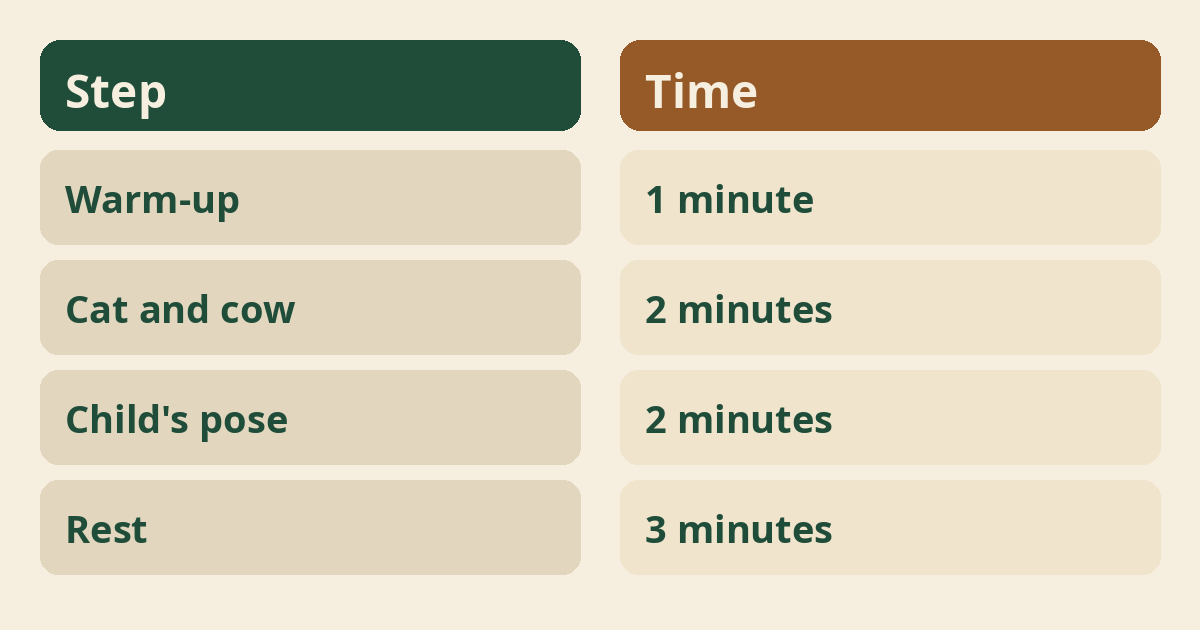
Try two sessions of ten minutes, each with warm-up, cat and cow, child’s pose, and rest. Write the days on a calendar. Keep it easy and notice how you feel. Then talk with your doctor if anything seems off, and enjoy the start of a new routine.
Where to read next
For a calm, beginner-friendly start, Ranjana Sinha’s Begin Where You Are is written for people who want simple steps. Our guide to starting a home yoga practice adds a gentle routine you can follow at home.
Frequently asked questions
Is it okay to practice yoga while taking thyroid medicine?
Many people do, but check with your doctor so the plan fits your own situation.
Will a few poses change my thyroid levels?
Yoga is not known to change them on its own, so keep your regular tests and medical visits.
What if I feel tired halfway through a session?
Stop, lie down, breathe slowly, and end early because rest counts as practice too.
Do I need to buy special equipment to begin?
No, a towel, a cushion, and a quiet spot are enough for a first week.
When is it wise to pause my routine?
Pause and call your doctor if you feel dizzy, short of breath, or in sharp pain.
The bottom line
Go slowly, stay in touch with your doctor, and let yoga be a calm, supportive part of your week.

