
Spinal rolls are slow movements that gently round the back and return the body to an upright position. In this guide, the term means a small standing roll, not a backward tumble or a floor exercise that places weight on the neck. You do not need to reach your toes or make a deep bend. Begin with a comfortable range, soft knees, and steady breathing. If you have pain or a health condition, ask your doctor whether this movement is suitable before trying it.
This guide provides general education and is not medical advice. Check with your doctor before trying spinal rolls if you have pain, an injury, a medical condition, or concerns about bending forward.
What is a spinal roll?
A standing spinal roll is a controlled rounding movement followed by a slow return upright. Think of it as exploring a small change in your back’s shape, rather than folding as far as possible. Your knees remain soft, and your head never carries your body weight.
Why do people practice it?
People often use spinal rolls to notice how their back moves during a gentle warm-up. The slow pace gives you time to pay attention to effort, breathing, and balance. It is optional, and a comfortable practice can include other movements instead if rounding does not suit you.
Which version does this guide cover?
This guide covers only a shallow standing version without bouncing or rolling on the floor. Some classes use the same name for different exercises, so ask what a teacher means before joining in. A backward rock onto the shoulders or neck is outside the instructions given here.
How should you start?
Start by deciding whether forward rounding is appropriate for you, then choose a clear, steady space. If you are unsure because of symptoms or a diagnosis, speak with your doctor first. Once cleared, begin with one small movement instead of copying the deepest version you have seen.
Step one: Find your stance
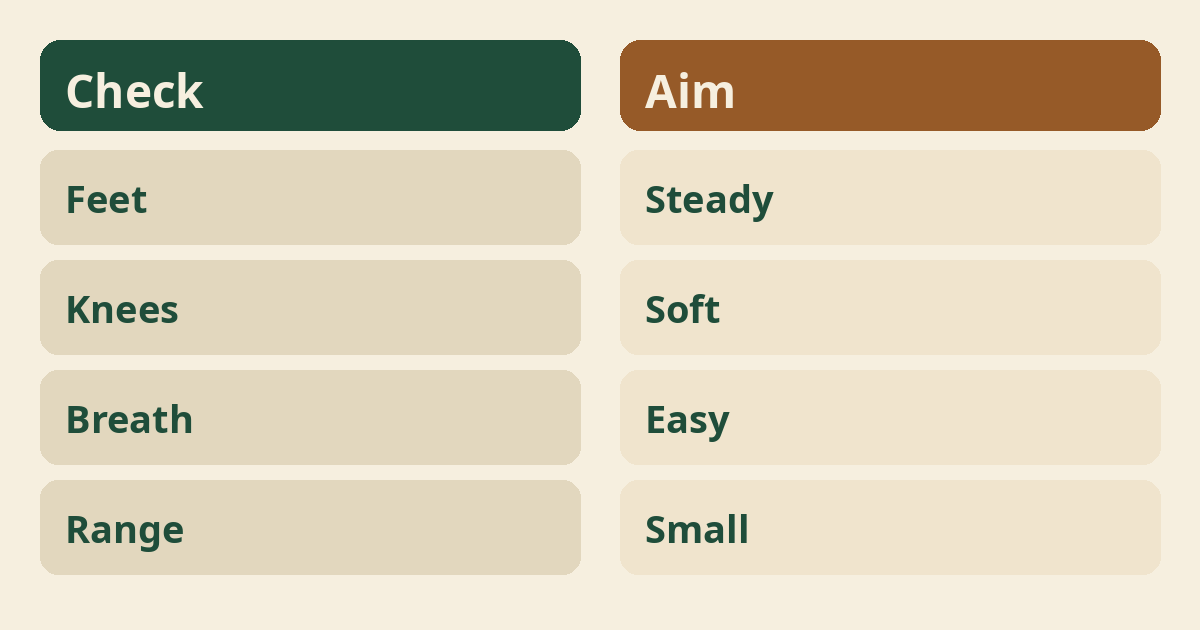
Stand with your feet about hip-width apart and your weight spread comfortably across both feet. Leave enough room to move without hitting furniture, and keep your knees softly bent rather than locked. The upright setup in Mountain Pose for beginners can help you notice your starting position.
Step two: Settle your breath
Take a few ordinary breaths before moving, without trying to fill your lungs to their limit. Let your arms rest loosely and look ahead with an easy neck. If your breath is already strained or you feel light-headed, stop the exercise and settle before deciding whether to continue.
Step three: Begin a small round
As you breathe out, allow a small nod and a gentle rounding through the upper back. Avoid pressing your chin hard against your chest or pulling your head downward. Keep the movement shallow enough that you can still feel stable through your feet and comfortable through your neck.
Step four: Pause within your range
Stop the downward movement well before you feel pain, strong pulling, or a need to force the bend. Your hands do not need to reach your shins or the floor. For a first attempt, a slight rounding may be enough to understand the movement without adding depth or a long hold.
Step five: Return without rushing
Slowly bring your torso back upright while keeping your knees soft and your movement controlled. Let your head return with the rest of your body, without throwing it backward at the end. If returning feels difficult, use a smaller bend next time rather than relying on speed to rise.
Step six: Check before repeating
Pause upright and notice how you feel before choosing another repetition. A useful check includes your balance, breathing, and any change in symptoms, not only how far you bent. If you feel uncomfortable, finish there; completing a planned number matters less than responding to your body’s feedback.
How should you breathe?
Breathe easily throughout, using an out-breath for the small round if that feels natural. Do not hold your breath or force a strict count when it makes the movement awkward. For a separate introduction to comfortable breathing, explore belly breathing for beginners without combining every technique at once.
How long should a session last?
Keep the first session brief, with just a few slow repetitions and pauses between them. There is no need to turn a simple movement into a long endurance exercise. Finish while it still feels easy, and give yourself time to notice whether the movement was comfortable afterward as well.
How often should you practice?
Practice only as often as the movement remains comfortable and fits any advice from your doctor. You might try it occasionally within a gentle routine rather than making it a daily requirement. How often should you do yoga? offers a broader way to think about building a manageable practice.
What benefits might people notice?
Many people find slow spinal rolls useful for body awareness and a sense of gentle movement, but results vary. Some enjoy the quiet pause and unhurried pace more than the bend itself. General information about yoga belongs alongside realistic expectations, not promises that this single exercise will change your health: National Center for Complementary and Integrative Health.
Is this a treatment?
No, spinal rolls are not a treatment for back pain, posture problems, or any medical condition. A general exercise guide cannot identify the cause of symptoms or decide which movements you need. If you are looking for help with a problem, speak with your doctor before choosing exercises from an article.
Who should be careful?
Anyone with back or neck symptoms, osteoporosis, a recent injury, or recent surgery should ask their doctor first. Forward rounding may be unsuitable or need specific limits depending on your condition. General advice in can you do yoga with a bad back? does not replace a personal assessment.
What if you are pregnant?
During pregnancy, check with your maternity clinician before adding spinal rolls to your routine. Changes in comfort and balance may affect which movements suit you, and a regular class version may not be appropriate. Prenatal yoga versus regular yoga explains why pregnancy-specific guidance matters more than following a standard demonstration.
When should you stop?
Stop if you notice pain, tingling, numbness, dizziness, or a feeling that your balance is failing. Do not repeat the movement to test whether an unpleasant sensation will disappear. New, severe, or worsening symptoms need medical advice, and sudden weakness or loss of bladder or bowel control needs urgent medical attention.
Should you feel a stretch?
A mild, comfortable sense of movement may occur, but a strong stretch is not the goal. Avoid measuring a successful repetition by how intense it feels or how low you go. If your neck, back, or legs feel sharply pulled, reduce the range or stop instead of trying to endure it.
Common mistake: Chasing the floor
Reaching the floor is unnecessary and can distract you from keeping the movement comfortable. Your range may be much smaller than another person’s, even when you both practice with care. Leave your hands hanging easily rather than using them to drag your torso lower or prove that you are flexible.
Common mistake: Locked knees
Keeping your knees soft usually makes the standing version easier to control than standing with rigid legs. Avoid treating straight knees as a rule you must obey during this exercise. A little knee bend is allowed, but it should not become a deep squat that changes the movement into something else.
Common mistake: A rushed return
Rising quickly can make it harder to notice discomfort or a change in balance. Leave a pause between the bend and the return, and move at a pace you can stop. If you feel dizzy when coming upright, end the practice rather than trying faster or deeper repetitions to adjust.
Common mistake: Forcing the neck
Your neck should stay easy, without a hard chin tuck or a sudden backward lift. Let the head follow the small movement instead of using it to pull your back into a curve. If your neck remains uncomfortable even in a shallow version, stop and ask for guidance before repeating it.
Which props can help?
A stable support nearby can make the setup feel more secure, but props do not make every bend suitable. If you need hands-on support, ask a qualified teacher to show you an adapted version rather than improvising a deep roll. Yoga props for beginners can help you choose stable equipment for other practices too.
Can you practice while seated?
A seated variation may suit some people, but it needs its own setup and movement limits. Do not assume sitting removes all strain or makes rounding safe for a back condition. A stable chair and appropriate guidance matter; yoga at your desk for beginners offers a separate starting point for chair-based practice.
What about floor rolling?
Rolling backward on the floor is a different exercise and is not included in this beginner guide. It can put pressure on areas that a standing roll does not load in the same way. Do not add momentum, kick your legs overhead, or roll onto your neck because the names sound similar.
How can you progress?
Progress first by making the small movement smoother, not by making it deeper or adding repetitions. You can take more time to notice your feet, breathing, and return upright while keeping the same range. A teacher can help you decide whether any further change is useful rather than assuming more is always better.
When is a teacher useful?
A qualified yoga teacher can help clarify the version and show a smaller, more controlled option. Tell the teacher about relevant medical guidance and the movements you have been advised to avoid. A teacher’s demonstration is helpful for learning, but it cannot replace your doctor’s assessment of symptoms or a diagnosed condition.
What mindset helps?
Approach spinal rolls as a quiet check-in rather than a test of flexibility or willpower. Some days a tiny movement may feel right, and other days you may choose to skip it. Keeping that choice available can make practice feel less pressured and keep you from competing with a picture or classmate.
Can it fit into a yoga routine?
A comfortable spinal roll can be one optional movement within a broader gentle practice. You do not have to combine it with every other back movement to create a good session. Cat-Cow Pose for beginners describes another movement pattern, but each exercise still needs its own suitability check.
Is stiffness a reason to push harder?
Stiffness is not a reason to force a deeper roll or stretch through discomfort. Start smaller, take your time, and stop if symptoms appear instead of assuming your body needs stronger pressure. If stiffness is new, persistent, or affecting daily activity, ask your doctor about it before expanding your routine.
Will spinal rolls improve posture?
Spinal rolls cannot guarantee a change in posture, and no single exercise creates one ideal position for everyone. They may help you notice how you stand and move, which is different from correcting a medical problem. Avoid judging your body harshly or treating a curved moment during practice as evidence of poor posture.
Can you do them after sitting?
You can consider a small standing roll after sitting if bending is suitable and you feel steady. First stand upright and give yourself time to settle rather than bending immediately after getting out of a chair. Walking briefly or simply changing position is also an option when you do not want to round your back.
How do you know the range is right?
The right starting range lets you move, breathe, stop, and return upright without pain or strain. It does not need to match a teacher’s shape or look impressive in a mirror. If you cannot keep those basic checks, make the movement smaller or leave it out until you have suitable guidance.
Where to read next
For a calm, beginner-friendly start, Ranjana Sinha’s Begin Where You Are is written for people who want simple steps. Our guide to starting a home yoga practice adds a gentle routine you can follow at home.
Frequently asked questions
The bottom line
Begin with a small, steady movement, and let comfort and appropriate medical guidance matter more than depth.

