
Yoga for swimmers is a gentle land-based practice that combines comfortable movement, balance, and breathing alongside time in the pool. You do not need deep stretches, strong poses, or a long session to begin. The aim is to explore how your body feels away from the water, rather than force it into new shapes. This guide offers a simple starting routine, ways to adjust it, and clear reasons to pause. Keep your swimming plan separate and choose movements that feel easy today.
This guide provides general education and is not medical advice or an individual exercise plan. Check with your doctor before starting if you have an injury, ongoing pain, a medical condition, recent surgery, or concerns about exercise.
What is yoga for swimmers?
Yoga for swimmers is yoga adapted to fit comfortably alongside swimming. A session might include supported standing poses, easy shoulder movements, and quiet breathing. It does not need to copy a swimming stroke or focus only on the upper body. Think of it as a separate practice that gives you time to notice your whole body.
Why do swimmers try yoga?
Some swimmers choose yoga for a slower change of pace on land. Swimming can involve repeated movements and a strong focus on distance or time. A gentle yoga session offers a different setting for noticing effort and comfort. You can enjoy that contrast without expecting your pool times or technique to change.
What benefits are realistic?
Many people find gentle yoga helps them feel calmer and more aware of movement, but results vary. Some also enjoy exploring balance and comfortable flexibility without chasing a score. Those experiences are not promises of better swimming, fewer injuries, or relief from a medical problem. See National Center for Complementary and Integrative Health for general background on yoga and its safety considerations.
How do you start?
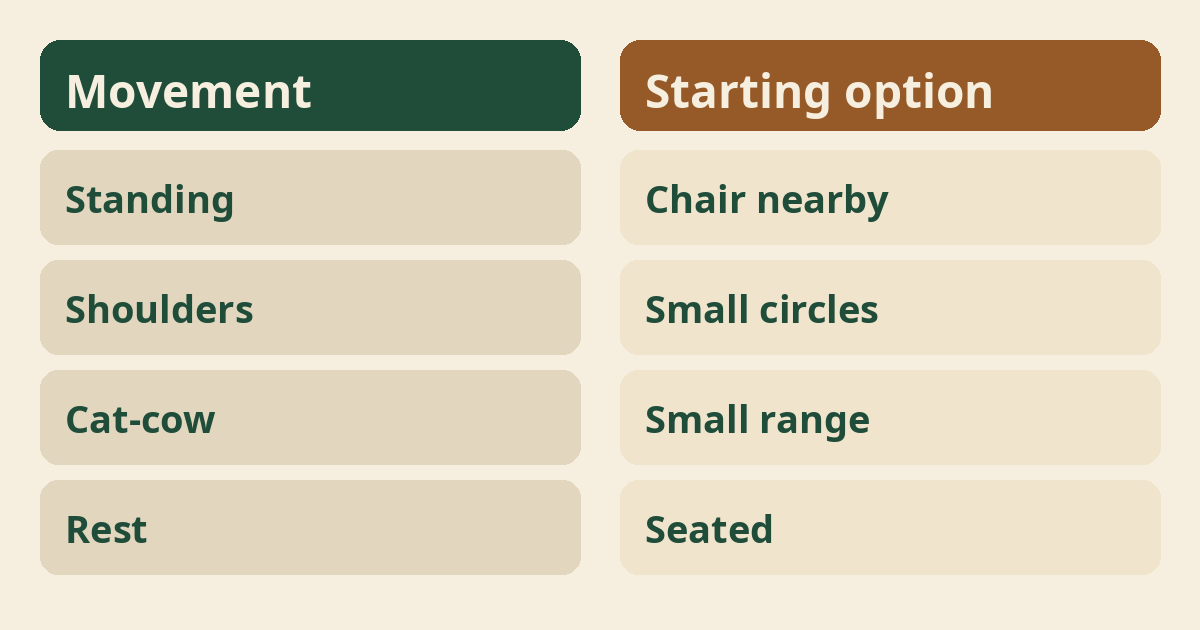
Begin with a few easy movements on a dry, stable surface. Choose a quiet place with enough room to stretch your arms without hitting anything. Wear clothes that allow easy movement and keep a chair nearby if standing balance feels uncertain. Start when you feel rested enough to pay attention, rather than immediately after an exhausting swim.
Step 1: Find a steady stance
Stand with your feet comfortably apart and your knees unlocked. Let your arms hang naturally and feel the contact of both feet with the floor. Keep your eyes open and take a few ordinary breaths without adjusting everything at once. The guide mountain pose for beginners offers a starting point for this simple standing position.
Step 2: Move the shoulders gently
Explore small shoulder movements without pushing into a stretch. Lift your shoulders a little, then let them settle, repeating slowly if comfortable. Try small circles with your arms relaxed rather than pulling your shoulders firmly backward. If a movement causes pinching, pain, or tingling, stop instead of making the circle larger or trying to push through it.
Step 3: Try a small cat-cow movement
Move your spine through a small, comfortable range while your hands and knees stay supported. Place padding beneath your knees and keep your hands below your shoulders. Gently round your back, then return toward a comfortable slight arch without throwing your head back. Read cat-cow pose for beginners for more detail, and skip it if weight through your wrists hurts.
Step 4: Explore a standing side reach
Reach one arm upward only as far as your shoulder allows comfortably. Keep both feet grounded and lean a small distance sideways without twisting. Return upright before changing sides, leaving the lower arm relaxed or supported on a chair. A short reach with easy breathing is enough; you do not need to create a strong pull down your ribs.
Step 5: Rest in a supported position
Choose a resting position that lets you breathe easily without joint pressure. Sit on a chair or lie comfortably if the floor suits you. Supported child’s pose is another option only when your knees, hips, and breathing feel comfortable. The adjustments in child’s pose for beginners can help you explore support, but resting on a chair is equally valid.
Step 6: Finish with a quiet check-in
End by noticing how you feel before deciding whether to do more. Stay seated or lying down for a few ordinary breaths. Ask whether your shoulders feel comfortable and whether you feel steady enough to stand. Finish there rather than adding harder poses because the session seemed short, especially when swimming has already used much of your energy.
How should you breathe?
Use easy, continuous breathing rather than forcing deep breaths or long holds. Let each breath happen at a pace that feels natural while you move. If counting creates tension or air hunger, drop the count and return to ordinary breathing. Explore belly breathing for beginners gently, without trying to push your abdomen outward or fill every possible space.
Should you practise breath holds?
Leave breath-hold training out of this beginner yoga routine. Do not turn breathing exercises into a test of how long you can last without air. Never combine deliberate overbreathing or yoga breath holds with underwater practice. Questions about swimming breathing drills belong with a qualified swim coach, with medical advice first if you have symptoms or health concerns.
How long should a session last?
A short session of about five to ten comfortable minutes is a reasonable place to begin. You can spend most of that time standing, moving gently, and resting. The duration is an example, not a target you must reach regardless of how you feel. Stop sooner if you feel tired, uncomfortable, lightheaded, or unable to breathe easily.
How often should you practise?
Choose a frequency that leaves enough energy for swimming and ordinary daily life. You might begin with a couple of short sessions each week and see whether they feel manageable. There is no need to add yoga after every pool visit. Read how often should you do yoga for ways to build a routine without treating missed sessions as failure.
Before or after a swim?
Practise when you can move attentively, rather than following a fixed before-or-after rule. A long or tiring yoga session before swimming may leave less energy for the pool. After swimming, wait until you feel steady, dry, and comfortable enough to move. Yoga does not replace your usual swim preparation or any recovery instructions from your coach or clinician.
What about days away from the pool?
A non-swimming day can offer space for a short, easy yoga session. Keep the practice gentle if the day is meant for rest. You can choose breathing and a few supported movements instead of a demanding flow. Adding yoga should not quietly turn every rest day into another hard workout or make you feel that stillness is unproductive.
Which props are useful?
A stable chair, folded blanket, and yoga blocks can make positions easier to adjust. Use a chair that will not slide, and keep blankets away from standing foot placements. Blocks can bring the floor closer, but they should not wobble under your hands. The guide yoga props for beginners explains support options without requiring a large collection of equipment.
What if your wrists dislike floor poses?
Skip weight-bearing floor poses when they cause wrist discomfort. You can practise seated shoulder movements, standing side reaches, and quiet rest instead. Do not assume a thicker mat or fists will make a painful position safe. Ask your doctor about recurring symptoms, and tell your teacher so they can suggest alternatives within any medical guidance you receive.
Should swimmers stretch their shoulders deeply?
Deep shoulder stretching is not necessary for a beginner session. Keep your arms within a range that feels controlled and free of pinching. Avoid pulling one arm hard with the other or forcing your hands together behind your back. Being able to move farther is not automatically useful, especially when that extra range feels loose or difficult to control.
What about the neck?
Keep neck movements small and avoid forcing your head into position. Let your gaze follow a comfortable line rather than lifting your chin sharply during a pose. Skip full neck circles if they feel strained or make you dizzy. For gentle options, see yoga for neck and shoulders, and seek medical advice for persistent or unusual symptoms.
Do hips and ankles need attention?
Include the lower body through easy movements rather than strong stretches. You might stand with support and slowly lift each heel, keeping the motion comfortable. A seated position can let you explore small ankle movements without balancing. Stop if you feel joint pain, and avoid forcing your feet into pointed positions simply because you use a similar shape while swimming.
Can balance practice fit here?
Simple supported balance can be part of yoga for swimmers if you feel steady. Stand near a stable chair and shift your weight gently from one foot toward the other. Keep both feet down at first, with your eyes open. The ideas in yoga for balance for beginners offer options that do not require balancing on a wet pool deck.
What mistakes are common?
Doing too much and ignoring discomfort are more important mistakes than an imperfect pose shape. Avoid choosing a long class solely because you are fit in the pool. Swimming experience does not tell you how your wrists, knees, or balance will respond on land. Leave out any movement that feels painful rather than trying to match the person beside you.
What should you feel?
Aim for easy effort and comfortable movement, not pain or a strong pulling sensation. You should be able to breathe without straining and leave the pose without rushing. Sharp pain, numbness, tingling, or a feeling of instability means stop the movement. If symptoms persist or recur, ask your doctor before repeating the position or searching for a stronger stretch.
Who should be careful?
Ask your doctor first if you have an injury, health condition, or symptoms that affect exercise. This includes shoulder problems, recent surgery, fainting, or unexplained breathlessness. Pregnancy may also call for changes suited to your circumstances. A teacher can help with pose choices after medical guidance, but cannot diagnose a problem or decide whether a painful shoulder is safe to load.
Is this a treatment?
No, yoga for swimmers is not a treatment for an injury or medical condition. A general routine cannot identify why your shoulder hurts or replace a rehabilitation plan. If a clinician has prescribed specific exercises or limits, follow those rather than swapping in yoga poses. You can discuss adding gentle yoga with them without assuming it will address the underlying problem.
How do you progress?
Progress by making the practice more familiar before making it longer or harder. Repeat the same comfortable sequence until you know which movements suit you. Change one small detail at a time, such as adding another relaxed repetition. More range, longer holds, and extra sessions are optional, and none is a useful goal if it leaves you sore or depleted.
How do you choose a teacher?
Look for a teacher who welcomes beginners and respects your medical and training limits. Explain that you swim and want a gentle practice rather than a demanding workout. Ask how they offer chair options and handle shoulder or wrist discomfort. A useful teacher does not promise injury treatment or insist that every swimmer needs the same stretch to become better in the water.
What mindset helps?
Treat yoga as a chance to listen rather than another performance test. You do not need to compare flexibility, pose depth, or session length with anyone else. Your practice can change after a demanding pool session or a tiring day. Choosing less when you need less is part of paying attention, not evidence that you lack discipline or athletic ability.
Will yoga improve your swimming times?
This routine cannot promise faster swimming or better race results. You may enjoy having a calm practice outside the pool, but that is different from a measurable performance gain. Stroke technique and training decisions belong with your swim coach. Keep yoga because it fits your life and feels worthwhile, not because you expect a guaranteed change on the clock.
Can stiff beginners do this?
You can begin with small movements even if you feel stiff. Use a chair, bend your knees where comfortable, and stop well before strain. You do not need to touch your toes or sit cross-legged to take part. See yoga for flexibility for beginners for a gradual approach that does not turn flexibility into a requirement.
Can you practise beside the pool?
Choose a dry practice space instead of a slippery poolside surface. Water on the floor, passing swimmers, and limited space can make ordinary poses awkward. Move to a clear room or another stable area where your feet and props will not slide. Keep yoga breathing separate from being in the water, even when a quiet pool seems convenient.
What if you are tired after swimming?
Rest instead of practising when fatigue makes movement or balance difficult. Sitting quietly can be enough, and you can leave yoga for another day. Do not use a strong sequence to prove that you have energy left. Stop exercising and seek appropriate medical help for concerning symptoms such as chest pain, fainting, or severe or unusual breathlessness.
How do you keep the routine useful?
Keep a simple note of comfort and energy rather than chasing pose milestones. Record which movements felt easy and whether the session fit around your swimming. Notice repeated discomfort and discuss it with your doctor rather than repeatedly testing it. A useful routine stays small enough to maintain and flexible enough to change when your body or schedule asks for less.
Where to read next
For a calm, beginner-friendly start, Ranjana Sinha’s Begin Where You Are is written for people who want simple steps. Our guide to starting a home yoga practice adds a gentle routine you can follow at home.
Frequently asked questions
Can I start yoga without being flexible?
Yes, use small comfortable movements and support rather than trying to reach a particular pose shape.
Do I need a yoga mat?
A mat may help on a dry floor, but seated practice can use a stable chair and clear space.
Should I do yoga after every swim?
No, choose a frequency that feels manageable and leave room for rest.
Can yoga fix a swimmer’s painful shoulder?
No, stop painful movements and ask your doctor for an assessment before practising with shoulder symptoms.
Is breath-hold practice part of this routine?
No, use ordinary breathing and keep breath holds and deliberate overbreathing out of this beginner practice.
The bottom line
Let yoga be a small, comfortable part of your swimming week, with support when needed and no pressure to push farther.

