
Yoga after 60 can begin with small, supported movements that fit your body and comfort level. You do not need to be flexible, get down to the floor, or keep up with anyone else. Start by discussing your plans with your doctor, especially if you have a health condition, recent surgery, balance concerns, or pain. A sturdy chair or wall can make it easier to explore simple poses. Move slowly, breathe naturally, and choose a version that feels steady rather than forcing a shape.
This article is for general education and is not medical advice. Check with your doctor before starting if you have health conditions, concerns about balance or pain, or recent surgery.
What yoga is
Yoga combines movement, breathing, and attention in ways that can be adapted to different bodies. A beginner’s practice may include sitting, standing, or lying down, and it does not have to look like a fitness class. The goal is to find a comfortable version of each activity, not to copy a pose exactly. For a simple first posture, see mountain pose.
Why people try yoga
People often try yoga to add gentle movement and a quiet pause to their routine. Some enjoy practising balance, mobility, or body awareness in a calm setting, while others like having a regular activity. Personal experiences differ, and yoga is not a promise of a particular result. You can explore a short practice without making it a test of flexibility or fitness.
Start with your doctor
Talk with your doctor before beginning if you have a health condition, recent injury or surgery, frequent falls, dizziness, or pain that affects movement. Ask whether there are movements, positions, or effort levels you should avoid. If your doctor suggests a supervised or modified approach, follow that guidance when choosing a class. Sharing your needs with an instructor can help them offer suitable options.
Choose a safe class
Look for a beginner, gentle, chair, or older-adult class led by an instructor who welcomes questions and modifications. Ask in advance whether the class includes standing work, floor poses, or transitions from the floor. A small class can make it easier to hear options and ask for help, though individual attention varies. You are free to sit out any movement that does not feel right.
Set up a chair
A stable, non-wheeled chair can support seated movements and give you a place to pause. Place it on a level surface where it will not slide, and keep enough room around it to move your arms and legs. If you use a chair for standing support, hold the back or seat only if it feels secure. Avoid using a lightweight folding chair that may shift.
Use wall support
A clear wall can offer a steady reference while you practise standing. Stand close enough to touch it without leaning hard or stretching to reach. Keep the floor around you free of loose rugs, cords, pets, and other obstacles. Wall support can make a movement feel more manageable, but it does not replace help from another person if you are unsteady.
Get down and up carefully
You do not need to use floor poses to take part in yoga. If you plan to move to or from the floor, first ask your doctor or instructor whether those transitions suit you. Use a stable support and take your time, rather than dropping down or pushing up quickly. If getting down or standing back up feels unsafe, choose seated or standing options instead.
Begin with simple poses
Start with a few easy movements rather than trying a long sequence on your first day. A comfortable seated posture, gentle shoulder rolls, or slow ankle movements can help you notice how your body feels. Keep the movement small enough that you can breathe comfortably and stay in control. You can also learn a gentle resting position such as a supported child’s pose, if it suits you.
Try a seated warm-up
A seated warm-up can help you ease into movement without needing to balance on your feet. Sit toward the front of a sturdy chair with both feet supported, then try slow shoulder rolls or gentle ankle circles. Keep your back comfortable and do not force a stretch. For stiff shoulders, a small range of motion may be enough; you can stop whenever the movement feels unpleasant.
Practice standing poses
Standing practice should feel steady, with a chair or wall within easy reach if you want support. Begin with your feet a comfortable distance apart and shift your weight only a little from side to side. Keep your knees soft rather than locked, and avoid twisting or reaching far to stay in a pose. If you are working on balance, use a supported version of beginner balance practice.
Add gentle floor poses
Floor poses are optional, and you can choose a chair-based version instead. If floor practice is comfortable and cleared for you, use a mat that does not slide and take care when changing positions. A side-lying rest or supported seated stretch may be easier than lowering yourself to the floor. Follow your instructor’s guidance, and do not stay in a position that feels hard to exit.
Breathe comfortably
Let your breathing stay easy and natural while you move. There is no need to hold your breath, breathe deeply, or match a fixed count if that feels uncomfortable. If you feel short of breath or light-headed, stop the movement and return to a comfortable position. A simple option is to notice the breath without trying to change it; gentle belly breathing is another practice to discuss with your instructor.
How long to practice
A first practice can be brief, with time to pause between movements. Choose a duration that lets you stay comfortable and attentive rather than aiming for a long session. You can stop after a few poses and build from there if that suits you. The right length depends on your health, energy, and the advice you have received from your care team.
How often to practice
Begin at a pace that fits your health and daily routine. Some people prefer a short practice on a few days, while others choose a weekly class; there is no single schedule for everyone. Follow your doctor’s guidance if you have activity limits, and allow yourself rest when needed. For general planning ideas, read how often to do yoga.
Balance at a safe level
Balance poses can be changed so that both feet stay on the floor or one hand remains on a support. Practise near a wall or sturdy chair, and avoid closing your eyes or standing on unstable surfaces. If you have fallen recently or feel unsure on your feet, ask your doctor before trying balance exercises. A teacher can show options that reduce the need to reach or stand on one leg.
Use props
Blocks, straps, cushions, and folded blankets can make a pose easier to reach or more comfortable to hold. Use only props that are stable and intended for exercise, and check that they do not slide. A chair may be more useful than a block for some movements. Learn how common supports work in this guide to yoga props, and ask your instructor before changing a pose with equipment.
Wear comfortable clothes
Choose clothes that allow you to move without slipping or catching on the chair. Wear shoes or practise barefoot according to the class setup and what feels safe for you. If standing without shoes is uncomfortable or unstable, ask the instructor about a suitable option. Keep glasses, hearing aids, or other everyday aids in place if you use them to move around safely.
Avoid common mistakes
Common mistakes include pushing into pain, copying a more advanced student, and holding a pose longer than feels comfortable. Another is moving quickly between standing and floor positions without checking whether the transition is safe. Take breaks, use support, and ask for a modification rather than trying to prove what you can do. A calm, manageable practice is more useful than forcing a difficult shape.
Notice body signals
Pay attention to how you feel during and after each movement. Mild effort may be expected, but sharp pain, dizziness, unusual shortness of breath, chest discomfort, or feeling faint is a reason to stop and seek appropriate medical advice. Do not try to breathe through alarming symptoms or keep going to finish a sequence. Tell your instructor what happened before resuming practice.
If you have health conditions
Health conditions can affect which movements and effort levels are appropriate, so ask your doctor for personal guidance before joining a class. Mention any limits on bending, balance, pressure, or movement that your care team has discussed with you. An instructor can adapt a pose, but cannot replace medical advice. If your instructions are unclear, ask your care team to explain them before practising.
Possible benefits
Many people find that gentle yoga gives them a regular chance to move, pause, and notice how they feel, but results vary. Research on yoga covers different people and styles, so it should not be read as a guarantee for an individual. The National Center for Complementary and Integrative Health offers general information about yoga and health that you can discuss with your doctor. Keep your expectations practical and choose a form of practice that fits your needs.
Is yoga a treatment?
No, yoga is not a treatment or substitute for medical care. It should not replace prescribed medicines, physical therapy, or advice from your doctor. If you want to use yoga alongside care for a health concern, ask your care team whether your planned practice is appropriate. Be cautious of anyone promising that yoga will cure, heal, or prevent a condition.
Progress gradually
Progress can mean feeling more familiar with a movement, finding a comfortable modification, or attending a class regularly. It does not have to mean stretching farther or holding a pose for longer. Change one thing at a time and notice how you feel afterward. If a change causes discomfort or leaves you unusually tired, return to an easier version and ask your instructor or doctor for guidance.
Find a qualified teacher
Choose a teacher who has experience with beginners or older adults and is willing to explain adaptations. Before class, tell them about relevant limits and ask how they handle balance support and floor transitions. A good teacher should respect your choice to rest or skip a pose. If you feel pressured to ignore pain or move beyond your comfort, stop and look for a better fit.
Keep a steady mindset
Yoga is not a competition, and your practice does not need to match a picture or another person’s movement. Give yourself permission to use a chair, take breaks, or keep your range of motion small. A pose can be useful even when it looks different from the demonstration. Focus on feeling steady and breathing comfortably rather than judging your body.
Practice with a partner
A trusted friend or family member may help you feel more at ease while you try a new routine. Make sure the person understands that they should not pull, lift, or force your body into a pose. For any hands-on assistance, ask your doctor or instructor about safe support. Practising alone is also a valid choice if your setup is safe and your doctor agrees.
Adapt poses to your day
Your energy, comfort, and movement can vary from one day to another. Choose an easier option, practise seated, or rest when a usual movement feels less comfortable. Do not treat a change in how you feel as a failure or push through just to keep a routine. If a new or worsening symptom concerns you, pause and contact your doctor.
Move between poses slowly
Take time when shifting from sitting to standing, turning, or changing positions. Move in steps, keep a hand near a stable support, and pause to check how you feel before continuing. Quick changes may make some people feel unsteady. If transitions are difficult, ask for a class sequence that keeps you in one position or use a chair-based format.
Water and rest
Take breaks when you need them and keep water nearby if your doctor has not advised otherwise. You do not have to complete a full class without stopping. Rest in a comfortable seated position and resume only if you feel well enough. If fatigue, breathlessness, or discomfort feels unusual, end the session and seek medical advice as appropriate.
Practice at home
A home practice can be simple: choose a clear area, keep a stable chair nearby, and use a short routine from a teacher you trust. Remove trip hazards and make sure you can reach your phone if you need help. Avoid learning a challenging pose from a video without checking whether it suits your needs. If you are new to yoga, a supervised class can help you learn safer options first.
When to stop
Stop if you feel sharp pain, dizzy, faint, unusually short of breath, or otherwise unwell. Sit or lie in a safe position if needed, and seek medical help for symptoms that are severe, persistent, or worrying. Do not restart the same movement until you have appropriate guidance. If a pose repeatedly feels uncomfortable, tell your doctor or instructor and choose a different option.
Build a routine
A sustainable routine is one you can adjust without guilt. You might set out a chair, choose two familiar movements, and finish with a quiet pause, rather than planning a complicated sequence. Keep the practice flexible around your health and daily life. As your confidence grows, ask a qualified instructor whether you are ready to try other gentle movements.
Where to read next
For a calm, beginner-friendly start, Ranjana Sinha’s Begin Where You Are is written for people who want simple steps. Our guide to starting a home yoga practice adds a gentle routine you can follow at home.
Frequently asked questions
Do I need to be flexible to start yoga after 60?
No, beginners can use small movements and supported options without being flexible.
Can I do yoga in a chair?
Yes, chair yoga is an option, but check with your doctor if you have health concerns.
Should I practise yoga if I have balance problems?
Ask your doctor first and use only a practice with suitable supervision and support.
How long should a beginner’s session be?
Start with a brief, comfortable practice and follow guidance from your doctor or instructor.
Is yoga safe for every older adult?
No single activity suits everyone, so get personal advice and adapt practice to your needs.
The bottom line
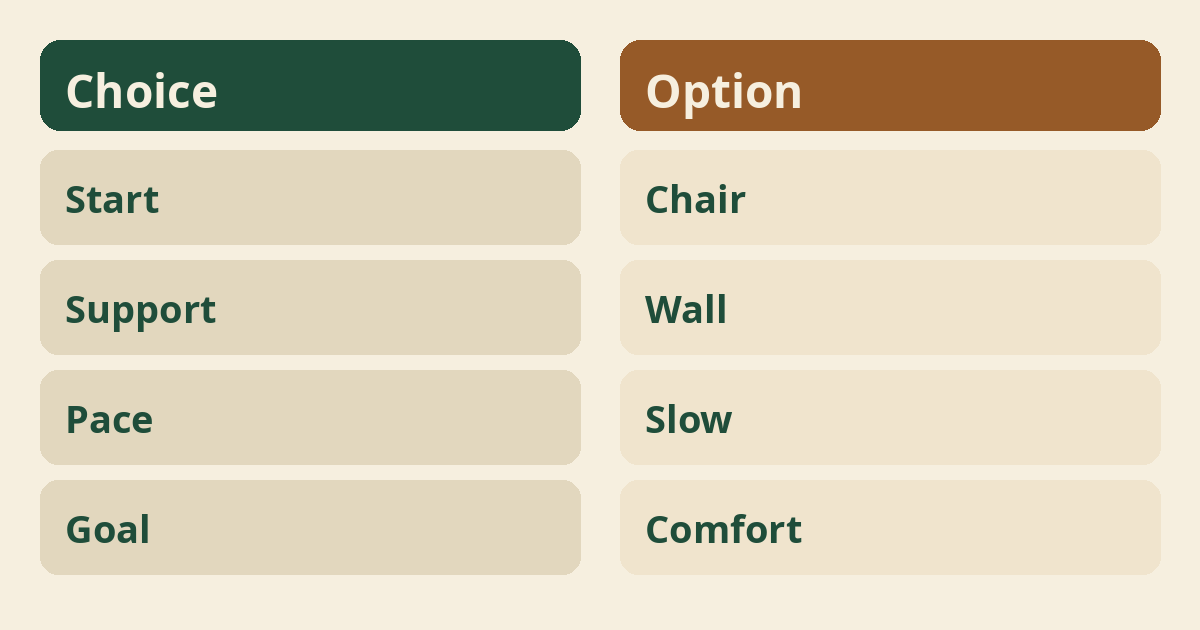
Start with your doctor’s guidance, choose support that feels steady, and let comfort set the pace.

