
If you keep hearing about kriya yoga meditation and want a clear way to begin, the basic steps are simple enough to learn in one evening. You do not need special gear, a studio, or long hours. You need a quiet corner, a comfortable seat, and a few minutes of honest attention. This guide walks you through each step in plain words, from sitting down to closing your session, so you can try your first practice today.
This article is general education and not medical advice. If you have a health condition or any concern, check with your doctor before starting a new practice.
What is kriya yoga meditation?
Kriya yoga meditation is a breath-centered practice that uses simple steps to calm the mind and steady attention. It comes from a long tradition that links breathing with inner focus. The word kriya points to action, so the practice is about doing small, deliberate things with your breath and attention rather than forcing the mind to go blank.
Why do people practice it?
People practice kriya yoga meditation to slow down, feel more settled, and build a daily habit of quiet time. Some want a break from busy thoughts. Others like having a clear routine they can repeat each day. Many people say the structured steps make it easier to stay with the practice than free-form sitting.
Is kriya yoga meditation right for beginners?
Yes, beginners can start with a short, simple version and build from there. You do not need any experience with yoga or meditation. The steps in this guide are a safe and easy starting point. Advanced versions exist, but the basics are enough for a long time.
What do you need before you start?
You need a quiet spot, a comfortable seat, and about ten free minutes. A timer on your phone helps so you are not watching a clock. Loose clothing makes breathing easier. That is the whole list.
How should you set up your space?
Pick a calm corner where you will not be disturbed for a few minutes. A folded blanket or a firm cushion under your hips can make sitting far more comfortable. If you want ideas for simple gear that supports a home practice, our guide on yoga props for beginners covers the basics.
How should you sit?
Sit tall with your spine long and your shoulders relaxed, on the floor or in a chair. Kneeling works well for many people, and thunderbolt pose for beginners shows a simple kneeling seat you can use. The exact position matters less than comfort, because a body that hurts pulls the mind away from the breath.
Step one: settle your body
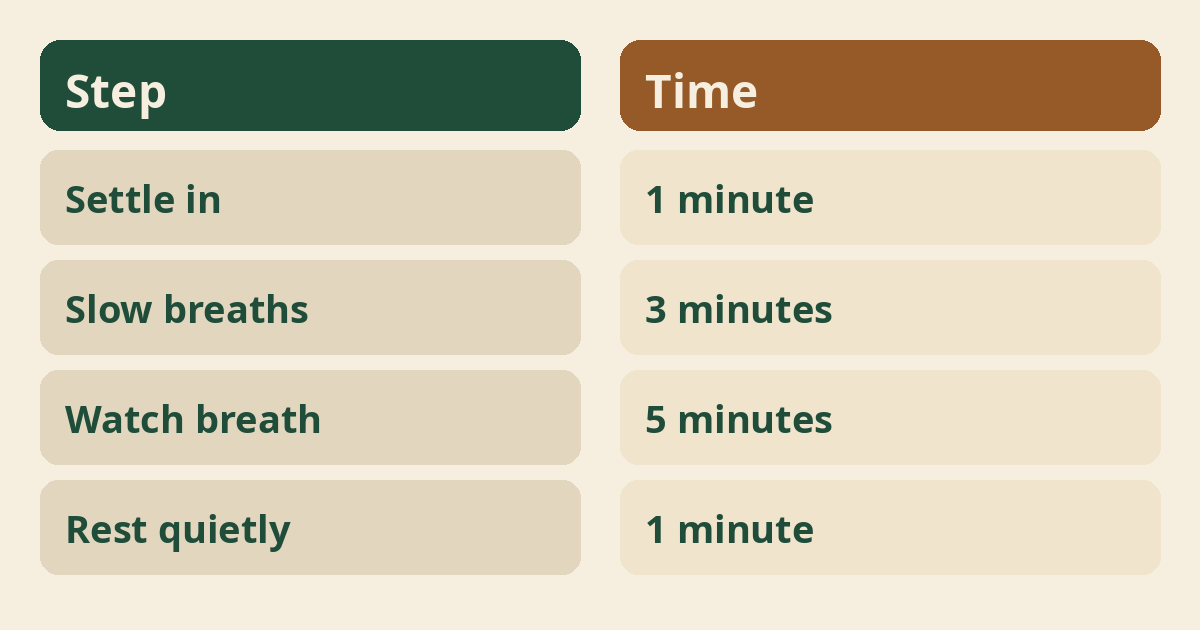
The first step in kriya yoga meditation is to sit down and let your body grow still. Close your eyes softly or lower your gaze. Let your hands rest on your thighs. Give yourself a slow minute to feel the points where your body meets the seat.
Step two: slow your breathing
Next, begin to breathe a little slower and deeper than usual, without straining. Let the breath move low in the belly rather than high in the chest. If low, easy breathing is new to you, practicing belly breathing for beginners on its own first makes this step feel natural.
Step three: watch the breath
Now simply watch each breath move in and out, without changing it. Notice the cool air entering and the warm air leaving. When your mind wanders, and it will, guide it back to the breath without any scolding. That return is the real practice.
Step four: add a simple focus
Once the breath feels steady, rest your attention on one point, such as the natural rhythm of the breath itself. Some beginners silently count breaths up to ten and start again. Others repeat a single calming word in the mind. Pick one anchor and stay with it for the whole session.
Step five: rest in stillness
After a few minutes of focused breathing, let go of all effort and sit quietly. Stop counting, stop guiding, and let the breath do what it wants. Rest in the stillness for a short while. Many people find this quiet minute the most pleasant part of the practice.
Step six: close your session
End by taking one deeper breath, opening your eyes slowly, and pausing before you stand. Rushing back to a screen or a task can feel jarring after stillness. Give yourself half a minute to notice how you feel. Then carry that steadiness into whatever comes next.
How does breathing work in kriya?
Kriya yoga meditation treats the breath as the bridge between body and mind. Slow, even breathing tends to settle the nervous system, and a settled body gives the mind less to fight. You do not need complex techniques at the start, because smooth and steady beats long and forced.
How long should one session be?
Beginners do well with five to ten minutes per session. Short daily practice builds the habit faster than one long weekly effort. When ten minutes feels easy, add a minute or two at a time. Many people settle around fifteen to twenty minutes.
How often should you practice?
Daily practice, even briefly, works better than occasional long sessions. If you are unsure how to fit regular sessions into your week, our article on how often to practice shares realistic rhythms. A fixed time each day, such as right after waking, removes the daily debate about when to sit.
What time of day works best?
The best time is the time you can keep, and many people prefer early morning. The house is quiet and the mind is fresh before the day begins. Evening practice also works and can mark a clear end to the working day. Try both for a week and keep the one that sticks.
What are common mistakes?
The most common mistakes are forcing the breath, sitting too long too soon, and judging every session. Deep breathing should never feel like work. Long sessions before the habit exists often lead to quitting. And no session is wasted, because a distracted sit still trains the return to attention.
What if your mind keeps wandering?
A wandering mind is normal, and noticing it is a sign the practice is working. Attention drifts dozens of times in a session, even for experienced meditators. Each time you notice and come back, you are doing the exercise. Patience with yourself matters more than a perfectly quiet mind.
Who should be careful?
Anyone with a health condition, recent surgery, or breathing difficulty should talk with a doctor before starting. Breathing practices are low impact, but they are still a change to your routine. If holding the breath or sitting still causes discomfort or dizziness, stop and rest. Your doctor’s guidance comes first.
Is kriya yoga meditation a treatment?
No, kriya yoga meditation is not a treatment and it does not replace medical care. It is a wellness practice, not a cure for any condition. It should not be used to prevent or heal illness. Keep any care plan from your doctor in place and treat this practice as a complement, not a substitute.
What benefits do people report?
Many people find that regular practice leaves them feeling more settled and focused, though results vary from person to person. Some say daily life feels a little less rushed. Others simply enjoy having a few quiet minutes that belong to them. Research bodies such as National Center for Complementary and Integrative Health note that meditation practices are widely studied for relaxation and wellbeing, and the honest summary is that experiences differ.
How is it different from other meditation?
Kriya yoga meditation is more structured than open-awareness styles because it gives the mind a clear sequence to follow. Instead of watching whatever arises, you move through set steps: posture, breath, focus, stillness. Many beginners find a sequence easier to hold than an open field.
How do you progress over time?
Progress looks like longer, steadier sessions and an easier return to the breath, not dramatic experiences. Add time gradually and keep the steps in order. When the basic sequence feels natural, a teacher can introduce traditional techniques. For a wider view of the full system, our cornerstone guide on kriya yoga techniques explains where this practice sits.
Do you need a teacher?
You can learn the basics on your own, and a qualified teacher helps when you want to go deeper. Look for someone trained in a recognized kriya lineage who answers questions plainly. Be cautious of anyone promising fast results or secret powers. A good teacher makes the practice simpler, not more mysterious.
What mindset helps?
A light, patient mindset helps far more than ambition. Treat each session like brushing your teeth: small, regular, and not up for debate. Skip the scorekeeping. The habit itself is the reward.
Can you sit in a chair?
Yes, a chair works well and is often the kinder choice for beginners. Sit away from the backrest with both feet flat on the floor. Rest your hands on your thighs. The breath and the steps stay exactly the same.
Does posture outside practice matter?
Everyday posture supports your sitting practice more than most people expect. A tall, relaxed standing shape like mountain pose teaches the same long spine you use on the cushion. Practicing it while you wait in line keeps the lesson alive between sessions.
How does it fit with physical yoga?
Kriya yoga meditation pairs naturally with a simple physical yoga routine. A few easy stretches before sitting release tension in the hips and back so the body can stay still. If unwinding is your main goal, our guide to yoga for stress relief suggests poses that work well before meditation.
What is a simple weekly plan?
A simple plan is five to ten minutes every day, with one slightly longer session on the weekend. Anchor the practice to an existing habit like morning tea. Keep the seat ready so starting takes no setup. Missed a day? Simply sit the next day without catching up.
How do you stay consistent?
Consistency comes from making the practice small, fixed, and easy to start. Track sessions on paper if a streak motivates you. Lower the bar on hard days rather than skipping, because two minutes still counts. The routine matters more than any single session.
Can you practice at work?
Short versions of the practice fit into a workday without anyone noticing. A minute of slow breathing at your desk resets attention between tasks. For more ideas that suit a workspace, see our article on yoga at your desk.
What should you do after each session?
After each session, take a moment to re-enter the day slowly. Sip some water, look around the room, and notice your breathing. Writing one line about how the sit went can help you spot patterns over time.
When will you notice changes?
Most people notice small shifts after a few weeks of steady practice, and timelines vary widely. Changes are usually subtle, like a calmer pause before replying to a message. Avoid watching for results every day. Let the practice accumulate quietly in the background.
How do you know the practice is working?
The clearest sign is that sitting down each day starts to feel natural rather than forced. You may also notice you miss the practice when you skip it. That quiet pull toward the cushion is a good sign the habit has taken root.
Where to read next
For a calm, beginner-friendly start, Ranjana Sinha’s Begin Where You Are is written for people who want simple steps. Our guide to starting a home yoga practice adds a gentle routine you can follow at home.
Frequently asked questions
Can I learn kriya yoga meditation without a teacher?
Yes, the basic steps in this guide are safe to try alone, and a teacher becomes useful when you want traditional techniques.
What should I do if I feel dizzy while breathing?
Stop, breathe normally, and rest, and mention it to your doctor if it happens again.
Is kriya yoga meditation a religion?
No, it is a breath and attention practice that people of any background can use.
How many minutes does a beginner need each day?
Five to ten minutes daily is plenty to build the habit.
Will kriya yoga meditation fix my sleep?
It is not a treatment for sleep problems, though some people find an evening sit helps them unwind, and results vary.
The bottom line
Sit down, breathe slowly, and let the small daily habit do its quiet work.

