
Yoga for menstrual comfort can be a gentle way to pause, breathe, and notice what your body wants today. There is no single routine that suits everyone, and yoga is not a treatment for menstrual symptoms. This beginner guide explains simple movements, rest options, and ways to adapt a practice. Keep the effort easy, skip anything that feels wrong, and contact a health professional about severe, unusual, or worrying symptoms.
This article is for general education and is not medical advice. Ask a doctor or other qualified health professional before starting if you have a medical condition, and seek care for symptoms that are severe, new, or concerning.
What menstrual comfort means
Menstrual comfort means choosing movement and rest that feel manageable during your period. It does not mean making symptoms disappear or following a fixed routine. Your needs may differ from one cycle to another, so let comfort guide each choice.
Why people try gentle yoga
Some people use gentle yoga as a quiet way to check in with their body. A short practice can create a pause in the day and offer a familiar rhythm of movement and breath. It may be pleasant for some people and unhelpful for others.
Yoga is a choice, not a rule
Yoga is optional, and rest is a valid choice on any day of your cycle. You do not need to push through pain to prove commitment or earn a benefit. If lying down, taking a walk, or doing nothing feels better, choose that instead.
How to begin
Begin with a few minutes in a place where you can move without pressure. Keep water nearby, wear clothes that do not restrict your abdomen, and choose a surface that feels steady. Start with comfortable breathing and one easy position before adding movement.
Check in before moving
A brief body check helps you choose a suitable level of effort. Notice your energy, balance, pain, and whether you feel light-headed or unwell. If symptoms are worrying or movement feels unsafe, stop and seek appropriate medical advice rather than starting a routine.
Make a small space
A calm, uncluttered space makes it easier to change positions or rest. You can practise on a mat, carpet, or firm bed if that feels stable. Keep a folded blanket, a cushion, and any supplies you need within easy reach.
Step one: settle
Start by sitting or lying in a position that feels easy. Let your shoulders soften and allow your jaw to unclench without forcing relaxation. Take a moment to notice which areas feel comfortable and which positions you would rather avoid today.
Step two: breathe naturally
Let the breath stay comfortable rather than trying to control it strongly. Breathe through the nose if that feels easy, or use another comfortable way to breathe. If breath focus makes you tense, skip it and simply notice the support beneath you.
Step three: move gently
Use slow movements with a small range that feels comfortable. You might slowly roll your shoulders or tilt your pelvis while seated or lying down. Keep the motion smooth, and return to stillness if you feel pain, dizziness, pressure, or strain.
Step four: choose a resting pose
A supported resting position can make a practice easier to pause or leave. Try lying on your side with a pillow between the knees, or sit with support behind your back. A supported child’s pose option may suit some people, but skip it if pressure or bending feels uncomfortable.
Step five: finish slowly
End by returning to a comfortable seated or lying position before standing. Notice how you feel without judging whether the practice was successful. Roll to your side before getting up if you have been lying down, then stand slowly and pause if you feel unsteady.
Gentle seated movement
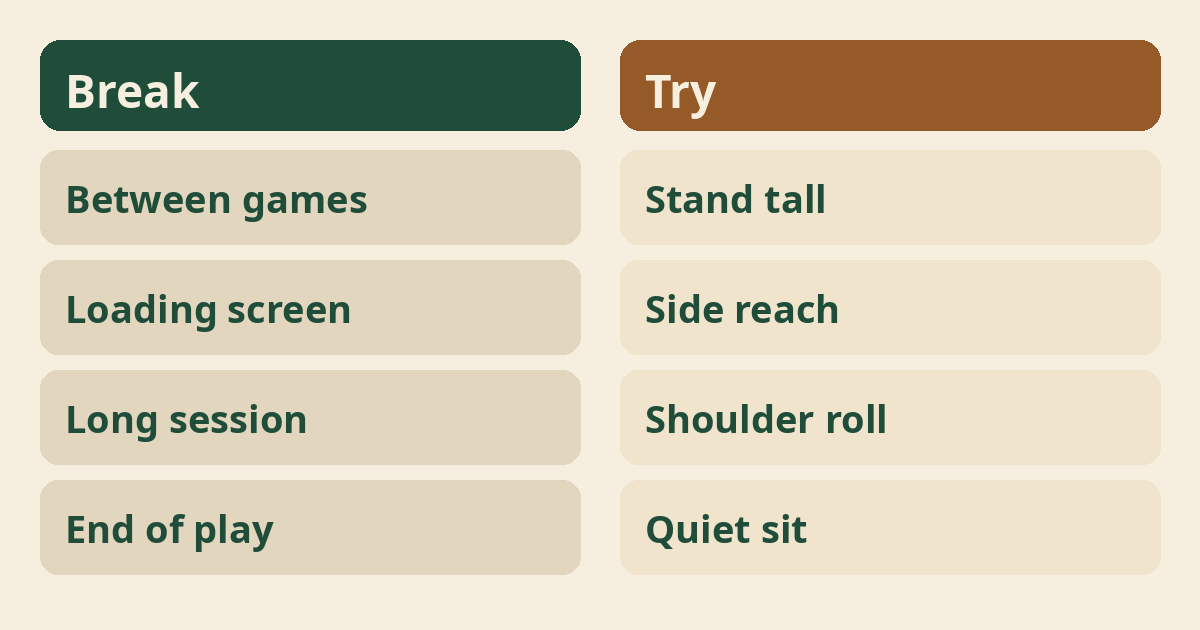
Seated movement can be a useful starting point when getting down to the floor does not appeal. Sit on a stable chair with feet resting on the floor, then make small shoulder rolls or easy side reaches. Keep the movement modest and avoid leaning into a stretch that feels sharp or pinching.
Cat and cow as an option
Cat and cow can be explored as a slow spinal movement if kneeling feels comfortable. Move between a gently rounded and softly lengthened back without forcing either shape. The linked cat-cow guide can offer basic setup ideas; use a chair version or skip the movement if wrists or knees object.
Breathing without pressure
Easy breathing is enough; there is no need to take deep or forceful breaths. You can let the exhale be a little longer only if that feels natural. For a simple option, rest a hand on the lower ribs and notice ordinary movement, as explained in belly breathing basics.
How long to practise
A few minutes can be enough to learn how your body responds. There is no required minimum duration, and a longer session is not automatically better. Stop while you still feel comfortable, or take breaks whenever you want rather than trying to complete a preset sequence.
How often to practise
Practise only as often as feels useful and comfortable to you. You might choose one short session, gentle movement on another day, or no yoga at all during a cycle. General frequency guidance such as how often to do yoga should be adapted to your energy and circumstances.
Choose positions by comfort
There is no pose that everyone needs to do during menstruation. A reclined position, supported forward fold, or easy seated pose may feel fine for one person and uncomfortable for another. Avoid treating any online sequence as a rule, and leave out positions that increase discomfort.
Use props for support
Props can make a position more supported and easier to leave. A cushion beneath the knees or a folded blanket under the hips may help you settle without stretching further. See basic yoga prop ideas, and use only items that stay stable and do not press painfully.
Common mistakes
Pushing through pain is a common mistake that can make a practice feel less safe. Other pitfalls include holding the breath, copying a pose despite discomfort, or believing that a certain shape must help. Keep the effort low, take breaks, and stop when something does not feel right.
Avoid comparing routines
Comparing your practice with someone else’s can hide the fact that bodies and cycles differ. A routine shared online may reflect one person’s preference, not a standard for everyone. Let your own comfort, medical advice, and daily energy matter more than the length or complexity of a video.
Who should be careful
People with health concerns or symptoms that are severe, unusual, or changing should ask a clinician first. This includes new intense pain, faintness, unusual bleeding, or symptoms that interfere with daily life. A clinician can help assess what is going on and whether movement is appropriate for your situation.
When to stop
Stop the practice if you feel sharp pain, worsening discomfort, dizziness, weakness, or unusual shortness of breath. Sit or lie somewhere safe and ask for help if you feel faint or seriously unwell. Do not restart simply because a routine is unfinished; consider medical guidance when symptoms concern you.
Is yoga a treatment?
No, yoga is not a treatment for menstrual conditions or a substitute for medical care. Gentle movement may feel pleasant to some people, but it should not be presented as a way to cure, prevent, or manage a condition. Keep appointments and follow advice from your health professional.
Potential benefits
Many people find that a calm movement break feels pleasant, but results vary. Some may value the chance to pause, move gently, or focus attention on breathing, while others may prefer rest. General information about yoga and health is available from National Center for Complementary and Integrative Health, but individual experiences do not predict what will suit you.
Progress at your pace
Progress can mean becoming more familiar with your comfort cues, not making poses deeper. If a simple practice feels fine on several occasions, you may add one small movement or a little time. Change only one thing at a time, and return to an easier version whenever your needs shift.
Finding a teacher
A beginner-friendly teacher should welcome questions, offer options, and respect your decision to rest. Look for clear instruction and a calm pace rather than promises about symptom relief. Tell the teacher what modifications you want, and leave a class if you feel pressured to continue.
Mindset for practice
A kind, flexible mindset can keep yoga from becoming another task to complete. You are allowed to change your plan halfway through or stop after one breath. There is no score for flexibility, discipline, or duration, and rest does not mean you have failed.
Can I practise if I feel tired?
You can choose rest instead of yoga when you feel tired or unwell. If you want to try movement, make it brief and gentle, then check in again. Fatigue that is marked, persistent, or worrying is a reason to ask a health professional for advice.
Should I avoid inversions?
There is no universal rule that every person must avoid every inverted pose during a period. Your comfort, experience, symptoms, and health guidance matter. If an inversion feels unpleasant or you are unsure because of a medical concern, choose a resting option and ask a qualified clinician or teacher.
Can yoga replace pain care?
Yoga should not replace medical assessment or care for pain. If menstrual pain affects daily activities, is new or severe, or worries you, discuss it with a clinician. They can help consider possible causes and suitable options rather than relying on a pose or online routine.
What if a pose feels awkward?
Leave out any pose that feels awkward, strained, or uncomfortable. You can use a chair, add support, or remain in a resting position instead. A pose is not necessary just because it appears in a beginner sequence or is described as a traditional practice.
Can I practise at work?
A brief seated pause may be possible at work if the setting feels private and safe. Keep movements small, stay seated, and avoid anything that draws discomfort or feels unstable. These simple ideas resemble gentle desk yoga options, but a quiet break without movement is also fine.
Should I follow a video?
A video is optional, and you can pause or stop it at any time. Choose clear beginner guidance that offers modifications and does not promise a cure. Follow your own comfort rather than the screen, and avoid a class that tells you to ignore pain or keep going.
What should I wear?
Wear comfortable clothing that lets you breathe and move without pressure. There is no special outfit required for a gentle home practice. If a waistband or fabric presses on a sensitive area, change it or choose a position that feels less restrictive.
How can I keep the routine simple?
A simple routine can include settling, one gentle movement, and a few moments of rest. You do not need to collect many poses or use every suggestion in this guide. Write down what felt comfortable if that helps you remember, while staying open to a different choice next time.
When to ask for help
Ask a health professional when symptoms are severe, unusual, persistent, or affecting daily life. A yoga teacher can help with pose options, but cannot diagnose menstrual symptoms. If you are uncertain whether a movement is suitable with a condition or injury, get individualized medical guidance before trying it.
Where to read next
For a calm, beginner-friendly start, Ranjana Sinha’s Begin Where You Are is written for people who want simple steps. Our guide to starting a home yoga practice adds a gentle routine you can follow at home.
Frequently asked questions
Is yoga safe during a period?
Gentle yoga may suit some people, but comfort, symptoms, and personal medical advice should guide the choice.
Which pose should a beginner try first?
Start in a supported resting or seated position and choose only a movement that feels comfortable.
How long should I practise?
Begin with a few comfortable minutes or skip practice if rest feels better.
Can yoga stop menstrual cramps?
No, yoga is not a treatment, and it cannot be relied on to stop cramps.
When should I contact a doctor?
Seek advice for severe, new, unusual, persistent, or worrying symptoms.
The bottom line
Choose the gentlest option that feels right today, and seek medical advice whenever symptoms concern you.

