
Yoga for tennis players can be a gentle way to add mobility, balance, and calm movement around court practice. You do not need to be flexible or know advanced poses to begin. Start with comfortable movements, keep your effort easy, and adapt the practice to how you feel that day. Yoga is a separate activity from tennis, so use it to explore body awareness and steady breathing rather than to force a swing change or push through pain.
This article is for general education and is not medical advice. If you have an injury, health condition, or questions about whether a movement is suitable for you, check with a doctor or qualified health professional first.
What yoga means here
Yoga for tennis players is a simple movement practice adapted to a racquet-sport routine. It can include standing poses, gentle stretches, balance work, and quiet breathing. Choose movements that feel manageable rather than trying to copy a demanding class. Your practice can be short and still feel complete when you give each movement attention.
Why tennis players try yoga
Many players use yoga as a different kind of movement alongside their court sessions. A calm practice may offer a chance to notice posture, range of motion, and how the body feels after repetitive movement. It is not a substitute for tennis coaching, conditioning, rest, or medical care. Keep the aim modest: move comfortably and learn what suits you.
What yoga cannot promise
Yoga cannot guarantee a stronger serve, fewer injuries, or better match results. Tennis skill depends on many things, including technique, practice, rest, and individual circumstances. Treat yoga as an optional part of your routine, not a shortcut to a performance outcome. Let your own comfort guide the session and avoid comparing your body with another player’s.
A beginner-friendly approach
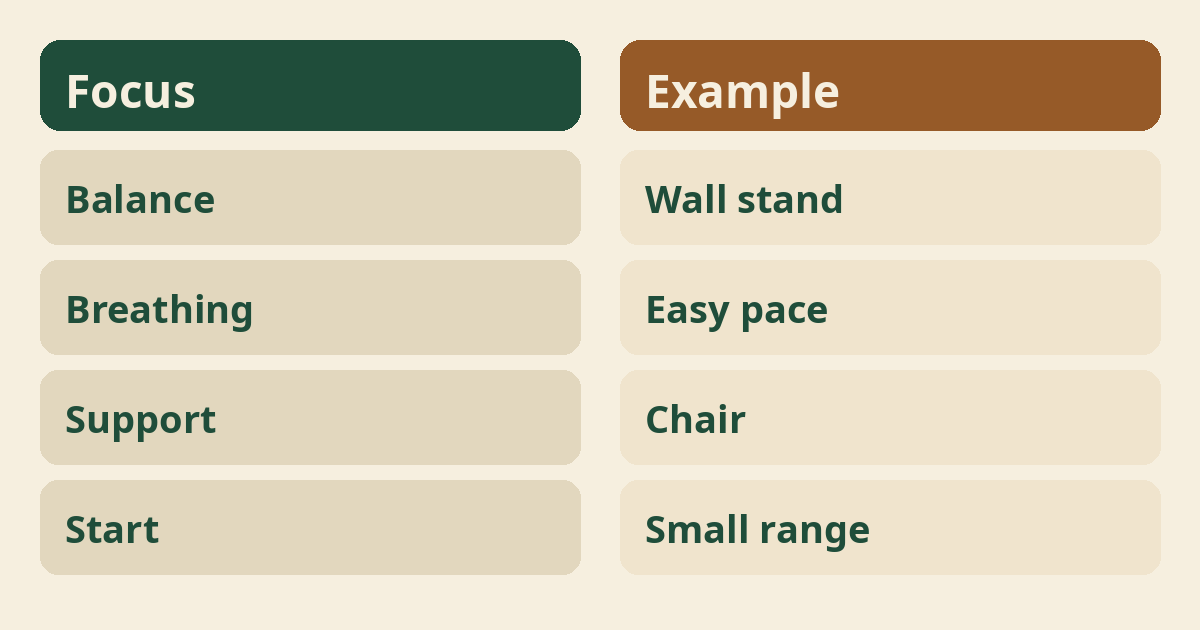
A beginner-friendly session uses simple poses and leaves room to adjust. You can start near a wall or chair, bend your knees, or shorten a stretch. If a position feels sharp, unstable, or uncomfortable, come out of it and choose an easier option. Mountain Pose basics can help you practice standing with a steady, relaxed stance.
When to practice
You can practice yoga on a day that fits your tennis and recovery routine. Some people prefer a few easy movements before playing, while others like a calmer session after court time or on a separate day. Avoid turning a warm-up into a long, forceful stretch. Notice whether the timing leaves you feeling settled and ready for the next part of your day.
How to start at home
Begin with a clear space, comfortable clothes, and a few minutes without rushing. Use a non-slip surface and keep a chair or wall nearby for balance. Start with easy breathing and small movements before trying deeper positions. You may find it helpful to review simple yoga props if a folded towel, cushion, or block would make the floor more comfortable.
Step one: settle your stance
Start by standing comfortably and noticing where your feet meet the floor. Let your knees stay soft rather than locked, and allow your shoulders to rest. Take a few natural breaths without trying to make them unusually deep. If standing feels unsteady, practice beside a wall or sit in a stable chair instead.
Step two: move the spine gently
Use a small, comfortable movement to warm up the back and torso. You might try a slow cat-and-cow shape on hands and knees, moving only within an easy range. Keep the motion smooth, and skip any direction that does not feel right. See a gentle Cat-Cow guide for a simple version you can modify.
Step three: explore a standing fold
A supported forward fold can be a mild way to change your position and notice the backs of your legs. Bend your knees generously and place your hands on a chair, blocks, or thighs so you do not have to reach the floor. Keep your neck comfortable and rise slowly. The goal is an easy position, not the deepest fold you can manage.
Step four: add a side reach
A gentle side reach gives you a chance to move the ribs and sides of the body. Stand with feet steady, lift one arm only as far as comfortable, and lean slightly to the other side without twisting. Keep your weight even through both feet. Return to upright before changing sides, and shorten the reach if you feel pulling or loss of balance.
Step five: practice a balance option
Balance practice can be as simple as standing with one hand near a wall. Shift a little weight to one foot while the other toes stay on the floor as a kickstand. Keep your eyes on a steady point and breathe normally. If that feels secure, lift the foot only a small amount. Beginner balance ideas offer more ways to scale the challenge.
Step six: finish on the floor
End with a comfortable seated or lying position and let your breathing return to normal. You could sit on a folded blanket or lie down with knees bent if that feels good. There is no need to hold a pose for a fixed time. Notice how you feel, then move slowly when you are ready to stand or return to your day.
Breathing during yoga
Keep breathing easy and unforced while you move. Let the breath continue without holding it to stabilize a pose or make a stretch stronger. If you feel light-headed, tense, or short of breath, stop the movement and return to a natural breath. A simple guide to comfortable belly breathing may help you explore calm breathing at rest.
How long to practice
A short practice can be enough to learn a few movements and check how they feel. Begin with a few minutes and add time only if the session feels comfortable and fits your schedule. There is no required duration for yoga to count. If a longer class leaves you tired before tennis, shorten it or move it to another day.
How often to practice
Choose a frequency you can maintain without crowding out rest or tennis. One or two brief sessions may be a reasonable place to begin, but your needs and schedule may differ. Change the plan if you feel unusually tired or if court practice is already demanding. Read how to choose a yoga frequency for more ideas on making a routine realistic.
Before tennis
Before playing, keep yoga movements light and use them to ease into activity. A tennis warm-up should prepare you for the movements in your session, and a coach can help tailor it to your game. Avoid long static holds or intense effort immediately before play if they leave you feeling less ready. Start court-specific movement gradually and follow the guidance you already use.
After tennis
After a match or practice, gentle movement may feel pleasant for some people. Keep the session easy, especially if you are tired, sore, or dehydrated. A few comfortable positions can be enough; you do not have to stretch every area. If discomfort is persistent or worrying, seek qualified advice instead of using yoga to explain it away.
Common mistake: pushing range
Trying to reach farther is not required for a useful yoga practice. A stretch should not become a contest with the floor or another player. Use support, bend your knees, and reduce the range when you feel strain. Smooth movement and steady breathing are better guides than how close your hands get to your feet.
Common mistake: ignoring signals
Ignoring discomfort can make it harder to choose a suitable version of a pose. A mild sense of effort may be expected, but sharp pain, numbness, dizziness, or a feeling of instability is a reason to stop. Rest, change position, or get professional advice when needed. Do not assume that a difficult sensation means a pose is working.
Common mistake: copying every pose
A class or video may show options that are not right for every person. You can skip a pose or use a simpler version without falling behind. Tennis players have different experience, mobility, and health histories. Ask a qualified yoga teacher how to adapt a movement if you are unsure, and do not treat another person’s range as a target.
Using props
Props can make a pose more comfortable or stable. A chair, wall, folded blanket, or block can bring support closer to you and reduce the need to reach. Use sturdy items that will not slide, and keep them within easy reach. Props are optional tools, not signs that you are doing yoga incorrectly.
Who should be careful
Anyone with a health condition, injury, recent procedure, or balance concern should check first with a qualified professional. This is especially important if you have been told to limit certain movements or are unsure about a symptom. A doctor or physical therapist can help you understand what is appropriate for your situation. Tell a yoga teacher about relevant limits before a class, and stop if a movement feels unsafe.
Is yoga a treatment?
No, yoga is not a treatment for a tennis injury or medical condition. This practice is general movement education and should not replace diagnosis or care from a qualified clinician. If you are hurt or symptoms are getting worse, pause the poses that trouble you and seek medical advice. Do not use yoga as a reason to delay an evaluation.
Possible benefits
Many people find that gentle yoga supports a sense of mobility, balance, and relaxation, but results vary. These experiences are personal and are not guaranteed outcomes. Yoga does not ensure improved tennis performance or a particular health result. For general background on yoga research and health, see National Center for Complementary and Integrative Health and discuss personal questions with a qualified health professional.
Progressing gradually
Progress by making one small change at a time, such as adding a pose or repeating a comfortable sequence. You do not need to increase stretch depth and session length together. Keep track of what feels steady and what leaves you tired or uncomfortable later. If your tennis workload changes, adjust the yoga plan too rather than keeping the same routine automatically.
Choosing a teacher
A good teacher welcomes questions and offers options for different bodies and experience levels. Look for clear guidance about props, safe exits from poses, and ways to make movements smaller. You should not feel pressured to ignore pain or prove your flexibility. If a class feels too intense, you can choose a gentler class or ask about a beginner option.
Mindset for practice
Approach yoga as a chance to pay attention, not as a test of flexibility. Some days you may feel balanced and relaxed, and other days you may prefer fewer movements. Both are normal reasons to adjust a session. Keep the focus on curiosity and comfort instead of judging yourself by how a pose looks.
Wrist comfort
Some yoga positions place weight through the hands, so choose a version that feels comfortable. You can practice standing poses or use a wall rather than staying on hands and knees. Keep the hands relaxed and avoid forcing pressure into a sore wrist. If hand or wrist symptoms persist, get professional guidance before continuing weight-bearing movements.
Shoulder comfort
Keep the shoulders relaxed and avoid forcing your arms into an uncomfortable overhead position. Use a smaller reach or keep your hands lower if that feels more natural. Tennis already involves repeated arm movement, so pay attention to how the shoulder feels before and after practice. Stop a movement that causes sharp pain, and ask a qualified professional about persistent concerns.
Leg and hip comfort
Use a stance and range that let your feet and knees feel steady. You can widen or narrow your stance slightly, bend your knees, or use a chair for support. A pose should not require you to force the hips or knees into a position. If a position is uncomfortable, leave it out and seek advice when the concern continues.
How to know it suits you
A suitable practice feels manageable during the session and does not ask you to ignore warning signs. Your response may change from day to day, so make room for easier choices. If you feel worse, unusually fatigued, or concerned after practicing, pause and review the movements with a qualified professional. Comfort and choice matter more than completing every planned step.
Adapting a class
You can change a yoga class to suit your tennis schedule and your comfort. Tell the teacher you are new and ask for options before class begins. A shorter version, a rest break, or a different pose can all be reasonable choices. Leave out movements that do not fit your current needs.
Where to read next
For a calm, beginner-friendly start, Ranjana Sinha’s Begin Where You Are is written for people who want simple steps. Our guide to starting a home yoga practice adds a gentle routine you can follow at home.
Frequently asked questions
Do I need to be flexible?
No, you can begin yoga without being flexible.
Can I practice before a match?
You can try gentle movement before tennis if it feels comfortable and fits your warm-up.
Can yoga improve my tennis game?
Yoga cannot promise a better tennis game or a specific performance change.
What if a pose hurts?
Stop the pose if you feel sharp pain or another worrying symptom.
What equipment do I need?
You can start with a clear, non-slip space and comfortable clothes.
The bottom line
Start small, choose comfortable movements, and let your yoga routine support your tennis life without promises or pressure.

