
You have tried the strict plans, the long workouts and the scale that will not move, and now you are tired and a little discouraged. Yoga for PCOS weight loss offers a calmer path. It will not melt pounds overnight, but many people find it helps them move more, stress less and feel at home in their bodies. This guide shows you how to begin.
This article shares general education about yoga and is not medical advice. If you have PCOS or any medical condition, talk with your doctor before you start a new routine.
What does yoga for PCOS weight loss mean?
It means using slow, steady yoga as one supportive habit while you work on weight with your care team. Yoga here is not a crash plan. It is a low-impact way to move your body, calm your mind and build a routine that fits real life with PCOS.
Why do people with PCOS try yoga?
Many people try it because it feels kind to a body that already feels under pressure. High-intensity plans can leave you drained. Yoga lets you move at your own speed, which makes it easier to show up again next week.
What is PCOS in plain words?
PCOS is a common hormone-related condition that can affect cycles, energy, skin and weight. Every person feels it differently, so your path will not look like anyone else’s. Your doctor is the right person to explain what it means for you. For the full picture, read our PCOS pillar guide, yoga for pcos for beginners, which covers the basics in one place.
Why can weight feel harder with PCOS?
Many people with PCOS say weight feels harder to manage, and the reasons are personal and complex. Hormones, sleep, stress and daily habits can all play a part. That is why a patient, whole-life approach often feels better than a strict one.
Can yoga really help with weight loss?
Yoga may support weight loss for some people, but it is not a quick fix and results vary. It burns fewer calories than a fast run. Its strength may be in helping you stay active, sleep a bit better and make calmer choices around food.
Is yoga a treatment for PCOS?
No, yoga is not a treatment for PCOS and it does not replace medical care. Think of it as a companion to the plan your doctor gives you. Keep your appointments, take guidance on food and medicine from qualified professionals, and use yoga as extra support.
What benefits do many people notice?
Many people find yoga helps them feel calmer, stronger and more connected to their bodies, though results vary. Research groups such as National Center for Complementary and Integrative Health share general information on yoga and well-being. Treat any benefit as possible, not promised, and focus on how you feel rather than a number.
How does stress connect to weight?
Stress can shape sleep, appetite and energy, so easing it may make good habits feel easier. A few quiet minutes on the mat can give your day a reset. Many people say that calm makes it simpler to keep going with other goals.
Who should check with a doctor first?
Anyone with PCOS should talk with a doctor before starting, and so should anyone with pain, heart concerns or other conditions. Ask what movement is right for you and whether anything should be avoided. Bring up dizziness, joint pain or past injuries so your plan fits your body.
How do I get started this week?
Start with ten minutes, three days this week, in a quiet spot with a mat or soft rug. Pick a time you can repeat, like after your morning tea. Small and steady beats big and rare, especially when your energy changes from day to day.
What do I need to begin?
You need a mat, comfortable clothes and a little floor space, nothing more. A folded blanket and a cushion can help later. If you want ideas, see [[yoga-props-for-beginners|simple props that make poses easier]] before you buy anything.
Step 1: How do I settle in?
Sit comfortably, close your eyes and take five slow breaths before you move. This tells your body that practice time has begun. Let your shoulders drop and your jaw soften, and notice how you feel without judging it.
Step 2: How do I warm up?
Warm up with slow neck rolls, shoulder circles and a few rounds of cat and cow. Move with your breath so nothing feels rushed. Our guide to [[cat-cow-pose-for-beginners|cat and cow for new practitioners]] shows the easy way to do it.
Step 3: How do I build standing strength?
Stand tall in mountain pose, then add a slow chair-style squat if your knees feel fine. Standing poses use big muscles, which is useful when you want to feel stronger. Learn the base shape in [[mountain-pose-for-beginners|mountain pose for beginners]] and stay near a wall if you need support.
Step 4: How do I open the hips?
Use easy seated or floor poses that let your hips relax without forcing them. Many people carry tension in the hips and lower belly. Try [[butterfly-pose-for-beginners|butterfly pose with pillows under your knees]] and stop at the first sign of strain.
Step 5: How do I add a low squat?
Lower into a supported low squat only if your knees and ankles feel comfortable. Place a rolled blanket under your heels or a block under your seat. Our walkthrough of [[garland-pose-for-beginners|garland pose]] shows safe options.
Step 6: How do I finish?
End with two to five minutes of rest on your back with your legs supported. Rest is part of the practice, not a bonus. Let your breath return to normal and notice any small change in how your body feels.
Which breathing helps most?
Slow belly breathing is a great place to start, since it is simple and calming. Place a hand on your belly and breathe in through your nose so it rises. Breathe out slowly. Our page on [[belly-breathing-for-beginners|belly breathing]] explains each step.
Do I need to breathe a special way?
No, plain slow breathing is plenty, and you should skip forceful techniques unless a teacher and your doctor agree. Fast or held breathing can leave some people dizzy. Keep the breath smooth and let it be quiet enough that you could hold a conversation.
How long should a session be?
Ten to twenty minutes is a solid start, and longer sessions can wait. Short practice is easier to repeat, and repeating is what counts. Add a few minutes once the routine feels natural, not before.
How many days a week works well?
Three days a week is a reasonable goal for most beginners, with rest days in between. If your energy is low one week, do one or two short sessions and call it a win. The guide on [[how-often-should-you-do-yoga|how often to practice]] can help you choose.
What are common mistakes?
The most common mistakes are doing too much, too fast and judging yourself by the scale. Pushing into pain, skipping rest and comparing yourself to photos online can all backfire. Slow progress you can keep is better than a big start that fades.
Should I try to sweat hard?
No, a hard sweat is not required, and a calm pace can be just as useful. Some people enjoy a warmer flow later on, but it is a choice, not a rule. Start easy and let your body tell you what feels sustainable.
How can I pair yoga with other habits?
Pair yoga with simple habits like walking, regular meals and good sleep, using advice from your care team. Yoga works best as one piece of a wider routine. Pick one small habit to add at a time so nothing feels like a pile of new rules.
What if I feel tired or low on energy?
Do less, not nothing, and try a short seated or floor practice. Fatigue is common for many people with PCOS. A few slow breaths and a resting pose still count, and you can build up when you feel more like yourself.
How can I ease stress with yoga?
Slow stretches and quiet breathing give your mind a break from a busy day. Many people feel the calm even after five minutes. For ideas, see [[yoga-for-stress-relief-for-beginners|yoga for stress relief]] and pick one pose to repeat.
What about stiff hips or a sore back?
Move slowly, use support and stay in a pain-free range. Easy poses like child’s pose can feel soothing. Learn the shape in [[childs-pose-for-beginners|child’s pose for beginners]] and use a pillow under your chest if it helps.
How do I track progress without the scale?
Track how you feel, such as sleep, mood, energy and how easily you move. Write one line after each session. Over weeks you may see patterns that a number cannot show, and those patterns are worth celebrating.
How do I progress over time?
Add a few minutes, a new pose or a slightly longer hold every two to three weeks. Change one thing at a time. If a new pose feels wrong, go back to the last one that felt good and try again later.
Do I need a teacher?
A teacher is not required, but a good one can make poses safer and practice more fun. Look for a beginner class or a teacher who welcomes all body sizes and medical needs. Tell them about PCOS so they can offer options.
What mindset keeps me going?
A kind, patient mindset keeps you going longer than strict rules do. Treat each session as a small act of care, not a punishment for what you ate. Missing a day is normal, and you can simply begin again.
How should I think about my body?
Think of your body as a partner, not a project to fix. Yoga invites you to notice what your body can do today. That shift can make good habits feel less like a fight and more like support.
What is a simple weekly plan?
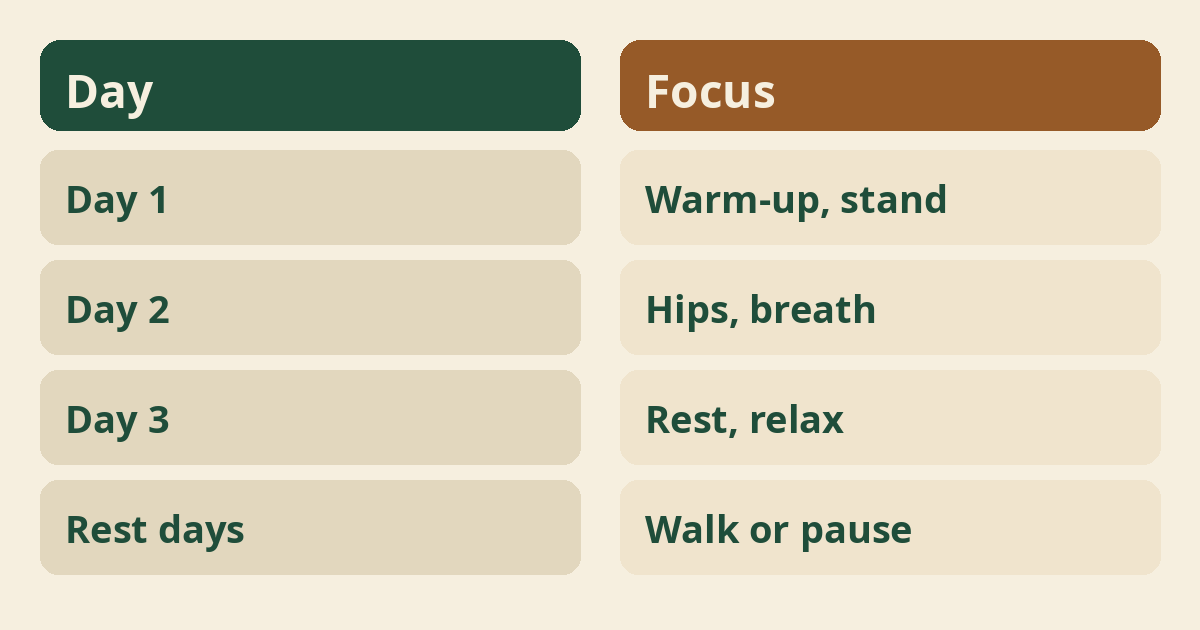
Try three short sessions: a warm-up and standing day, a hips and breath day, and a rest-focused day. Keep each one under twenty minutes. Add a walk or an easy stretch on other days if you like, and take full rest when you need it.
Where to read next
For a calm, beginner-friendly start, Ranjana Sinha’s Begin Where You Are is written for people who want simple steps. Our guide to starting a home yoga practice adds a gentle routine you can follow at home.
Frequently asked questions
Will yoga alone make me lose weight?
It may support weight loss for some people, but results vary and it works best alongside advice from your care team.
Is it okay to start if I have never exercised?
Yes for most people, but ask your doctor first and begin with short, slow sessions.
What if my cycle or energy changes my plan?
Shorten the session or choose a resting practice, since a small effort still builds the habit.
Should I skip poses that feel strange?
Yes, skip anything that hurts or feels wrong, and ask a teacher for an easier option.
When might I notice a difference?
Some people feel calmer within a few weeks, though timing and results differ for everyone.
The bottom line
Start small, stay kind to yourself and let yoga be one steady piece of your care.

